A dental implant is designed to feel like part of your smile, but the healing period deserves patience and thoughtful care. This guide to dental implant recovery explains what is normal after surgery, how to protect the treatment area, and when to call your dentist so you can move forward with greater comfort and confidence.
What Recovery Looks Like After a Dental Implant
Dental implant recovery is not a single event. It happens in stages. In the first few days, your focus is on allowing the gum tissue to settle comfortably. Over the following weeks and months, the implant gradually bonds with the jawbone in a process called osseointegration. That stable bond is what allows the implant to support a final crown or other restoration.
Your personal timeline depends on the procedure you received. A straightforward placement may have a relatively easy early recovery, while an implant placed after an extraction, bone graft, sinus lift, or periodontal treatment may require more healing time. Some patients receive a temporary tooth quickly, while others wait until healing is further along before a final restoration is placed.
Mild soreness, swelling, and tenderness near the surgical area are common. These symptoms should generally begin improving after the first few days. Your dentist will give you instructions tailored to your health history, medications, and treatment plan. Those instructions should always take priority over general advice.
The First 24 Hours: Protect the Surgical Site
The first day is about rest and protecting the blood clot and surrounding tissues. If gauze is placed after your procedure, bite with gentle, steady pressure as directed. A small amount of oozing can be expected, but active bleeding that does not slow with pressure warrants a call to your dental office.
Plan for a quiet day at home. Keep your head elevated when resting, and use a cold pack on the outside of your face in short intervals to help limit swelling. Avoid strenuous exercise, heavy lifting, and bending repeatedly, since increased blood flow can worsen bleeding or throbbing.
Do not rinse forcefully, spit forcefully, drink through a straw, or smoke. These actions can disturb the healing area. Nicotine in any form can also reduce blood flow and interfere with healing, increasing the risk of implant complications. If stopping nicotine feels difficult, be honest with your dental team. A supportive plan is far safer than trying to manage it alone.
Managing Discomfort and Swelling
Many patients are pleasantly surprised that implant discomfort is manageable with the medications recommended by their dentist. Take prescription medication only as directed. If your dentist advises an over-the-counter pain reliever, confirm the correct option and dose, especially if you have kidney disease, stomach ulcers, heart conditions, take blood thinners, or have medication allergies.
Swelling often reaches its peak around the second or third day before gradually resolving. Bruising can also occur, particularly after a more involved procedure. A cold compress is most useful during the first 24 to 48 hours. After that, your dentist may recommend warm, moist compresses if stiffness or swelling lingers.
Antibiotics are not prescribed for every implant procedure, but if you receive them, take the entire course exactly as instructed unless your prescriber tells you otherwise. Contact the office promptly if you develop hives, difficulty breathing, severe diarrhea, or another possible medication reaction.
Eating Comfortably While You Heal
For the first several days, choose soft foods that are nourishing and easy to eat without putting pressure on the implant area. Yogurt, scrambled eggs, mashed vegetables, smoothies eaten with a spoon, oatmeal once cooled, soup that is not hot, and soft fish are often comfortable choices. Drink plenty of water.
Avoid very hot foods and beverages while numb, since it is easy to burn your mouth without realizing it. Crunchy foods, seeds, nuts, chips, popcorn, crusty bread, and sticky candy can irritate the surgical site or become trapped around it. It is also wise to avoid chewing directly over the implant until your dentist says it is safe.
As tenderness improves, you can gradually return to a more normal diet. The right pace varies. If chewing causes sharp pain, pressure, or a sensation that something is moving, stop and contact your dentist rather than pushing through it.
Keeping Your Mouth Clean Without Disturbing Healing
A clean mouth supports healthy healing, but the surgical area needs a gentle approach. On the day of surgery, follow the instructions you received about brushing and rinsing. Often, patients can brush the rest of their teeth carefully while avoiding direct contact with the implant site.
Your dentist may recommend a saltwater rinse beginning the day after surgery or prescribe an antimicrobial rinse. If using saltwater, let it move gently around the mouth rather than swishing aggressively. Do not use mouthwash that has not been recommended, as alcohol or strong ingredients may irritate sensitive tissues.
Once your dentist gives approval, resume brushing around the area with a soft-bristled toothbrush and gentle technique. Long-term implant health depends on daily plaque control. Implants cannot get cavities, but the gum tissue and bone supporting them can become inflamed if plaque is allowed to build up.
Your Guide to Dental Implant Recovery: What to Avoid
Healing is usually smoother when patients protect the area from unnecessary pressure and irritation. For the first phase of recovery, avoid smoking or vaping, alcohol if it conflicts with your medication instructions, vigorous workouts, and chewing hard foods on the treatment side.
If you wear a denture or partial denture, it may need to be adjusted so it does not press on the implant site. Do not wear or alter an appliance without guidance from your dentist. Even a well-fitting appliance can need temporary changes after surgery.
Nighttime clenching and grinding also matter. Excess force can place stress on a healing implant. If you have a history of bruxism or jaw tension, your dentist may recommend a protective oral appliance once it is appropriate for your stage of treatment.
When to Call Your Dentist
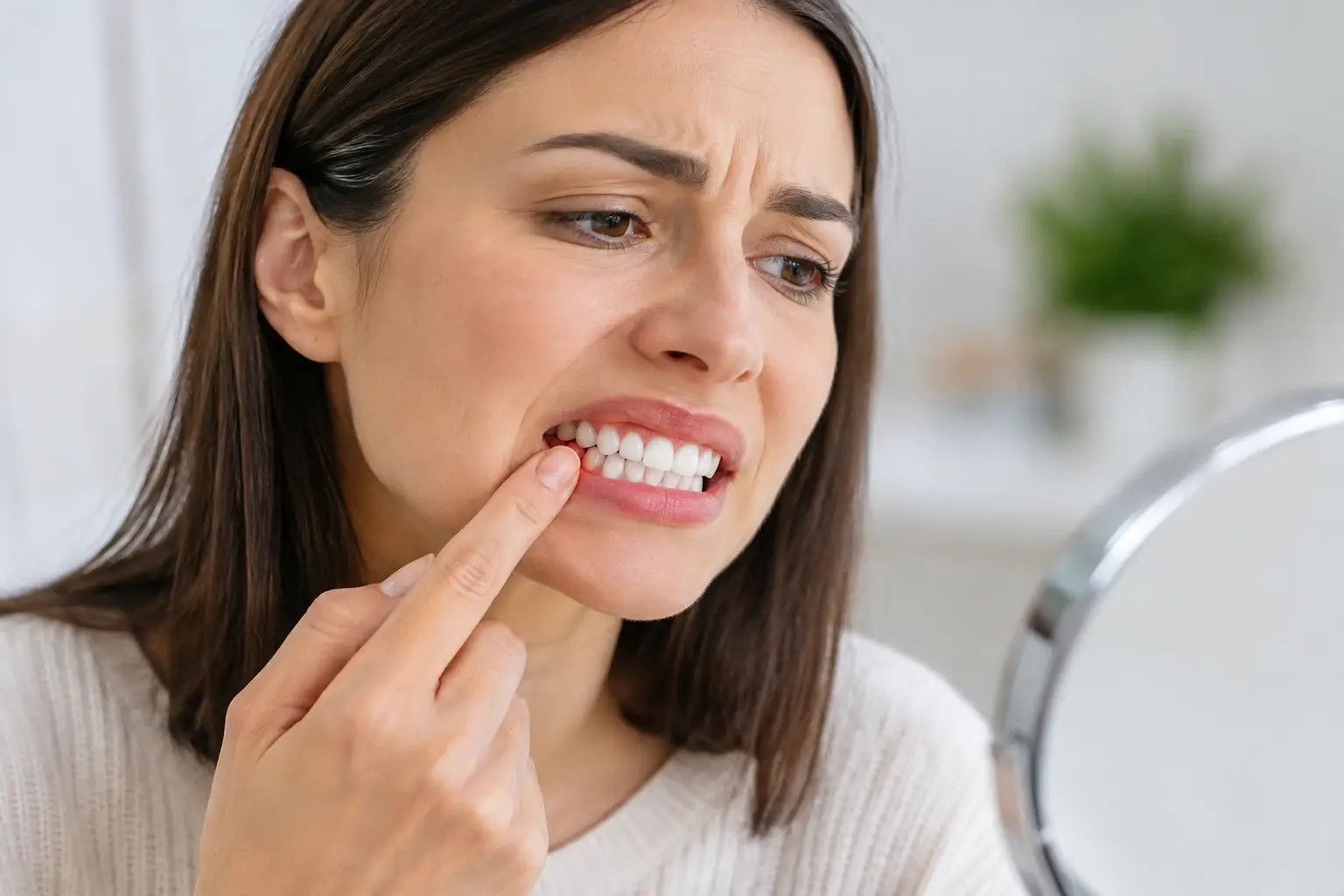
Some discomfort is expected. Pain, swelling, and bleeding should trend in the right direction, not become more severe. Contact your dental office if you experience persistent or worsening bleeding, pain that increases after several days, swelling that continues to worsen, fever, pus, a foul taste or odor, or numbness that lasts longer than expected.
You should also call if the implant area feels loose, your bite suddenly feels different, or a temporary tooth or restoration breaks. A problem does not always mean the implant has failed, but early evaluation can protect your result and give you needed peace of mind.
If you have trouble breathing, swallowing, or develop significant facial swelling, seek urgent medical attention.
Healing Beneath the Surface
The visible gum tissue may look better within a couple of weeks, but the deeper healing process takes longer. The jawbone needs time to grow closely around the implant. Depending on bone quality and the complexity of your treatment, this phase may take several months.
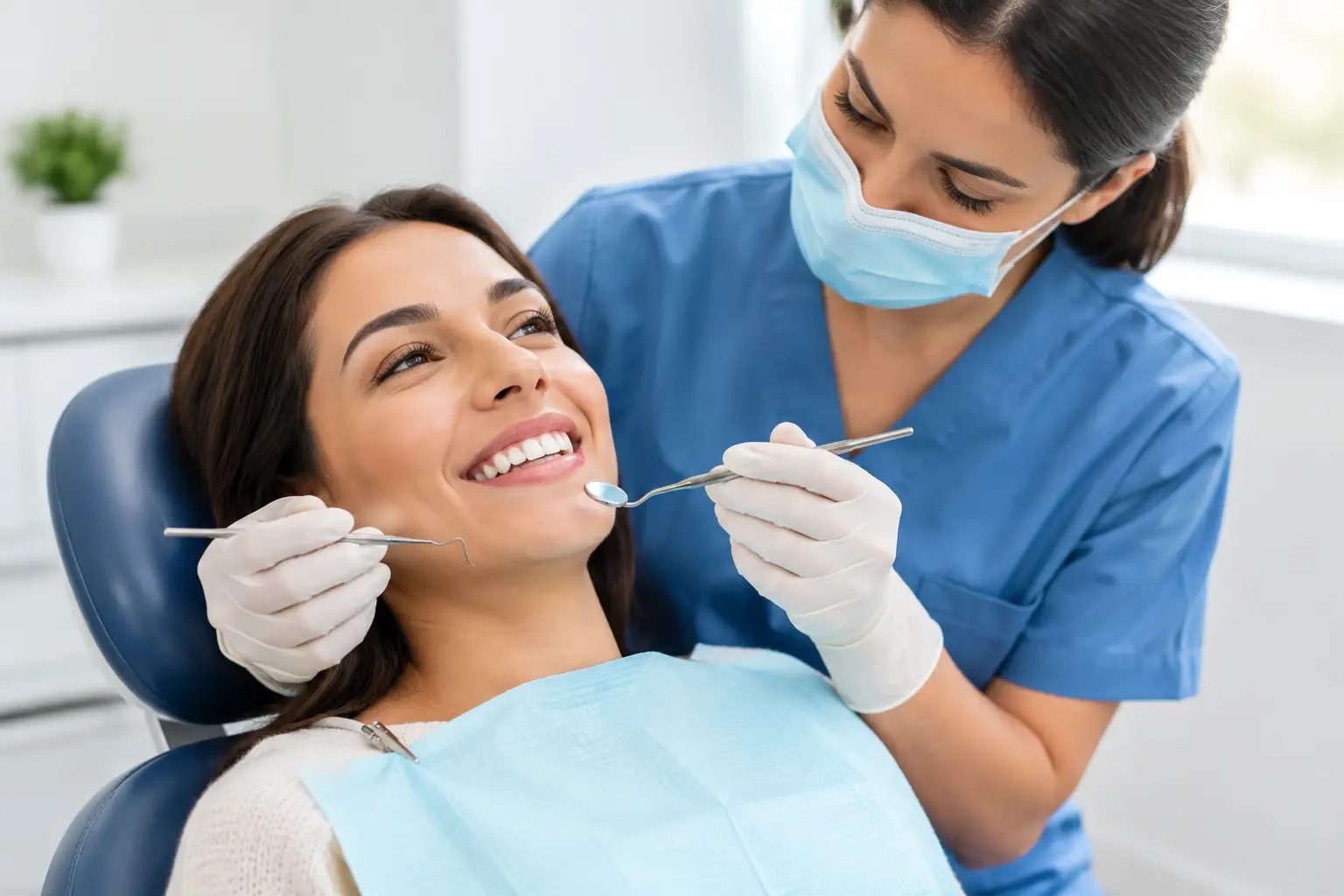
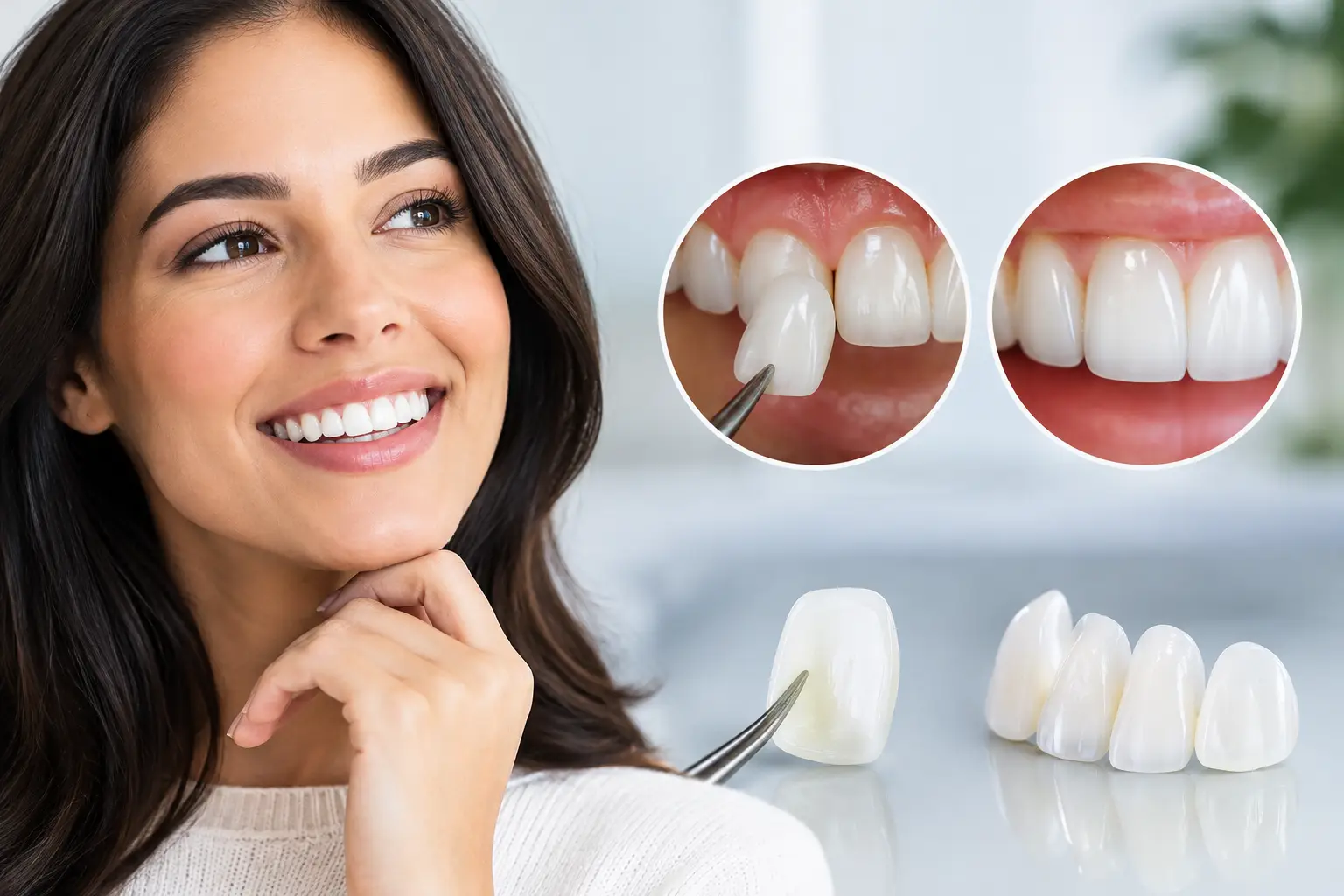
Keep every follow-up appointment, even if you feel well. These visits allow your dentist to check the gum tissue, evaluate healing, and determine when it is time to move ahead with the final crown, bridge, or denture. The final restoration is carefully designed to support comfortable chewing and a natural-looking smile.
Dental implants are a long-term investment in function, confidence, and oral health. Consistent home care and professional cleanings help protect that investment for years to come.
If you are preparing for implant surgery or have questions about a current recovery, a caring conversation can make the next step feel much more manageable. At Alliance Dental in Fort Myers, your comfort, questions, and individual healing needs deserve the same attention as your finished smile.