A small chip on a front tooth can feel much larger when it appears in every photo, meeting, or conversation. The good news is that cosmetic dentistry offers more than one way to improve it. When considering dental bonding versus porcelain veneers, the better choice depends on what you want to change, how long you want the result to last, your bite, and how much natural tooth structure should be altered.
Both treatments can create a more balanced, attractive smile. They are not interchangeable, though. A thoughtful exam and conversation help ensure your treatment supports both your confidence and your long-term oral health.
Dental Bonding Versus Porcelain Veneers: The Main Difference
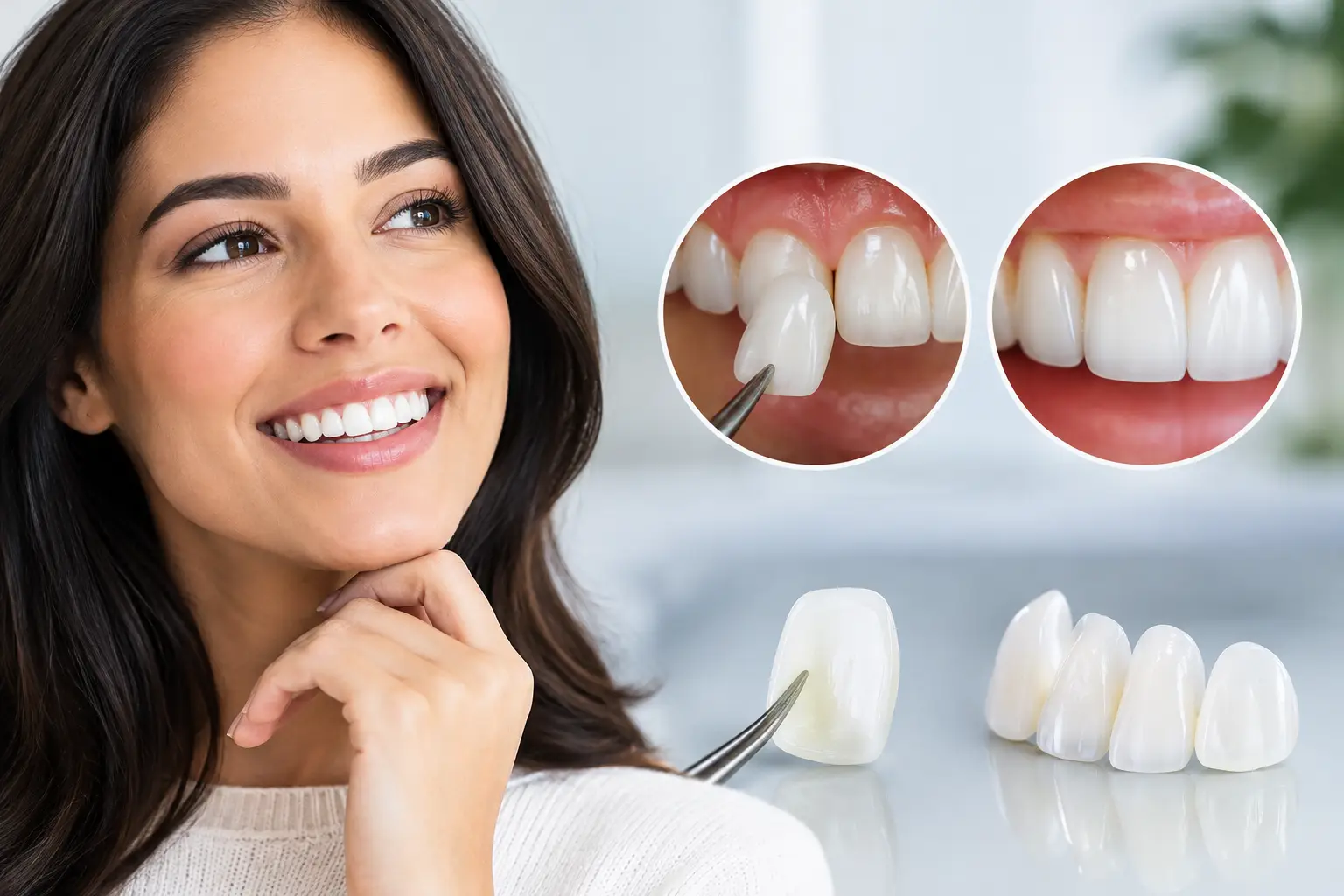
Dental bonding uses a tooth-colored composite resin that is shaped directly onto the tooth. Your dentist carefully matches the material to your natural enamel, applies it in layers, hardens it with a curing light, and polishes it for a smooth finish. In many cases, bonding can be completed in one visit.
Porcelain veneers are thin, custom-crafted shells that cover the front surface of a tooth. They are designed in a dental laboratory after your dentist plans the shape, color, and proportions of your new smile. Veneers typically require two or more appointments because the porcelain must be precisely made and then bonded in place.
The simplest distinction is this: bonding is a more conservative, repair-oriented treatment, while porcelain veneers are a more comprehensive and durable cosmetic option. Either may be appropriate for a single tooth or several visible teeth, depending on your goals.
When Dental Bonding May Be the Right Choice
Bonding is often a wonderful solution for minor cosmetic concerns. It can repair small chips, soften uneven edges, close narrow gaps, cover a small area of discoloration, or make a tooth appear slightly longer or more symmetrical.
One of bonding’s biggest advantages is its conservative nature. Little to no enamel removal may be necessary, which can make it especially appealing for patients who want to preserve as much of their natural tooth as possible. Because treatment is usually completed in a single appointment, it can also be helpful before a special event or when you want a noticeable improvement without a lengthy process.
Bonding is generally less expensive upfront than porcelain veneers. However, it is not as resistant to staining or wear. Coffee, tea, red wine, tobacco, and deeply colored foods may gradually affect the resin, particularly when bonding is placed on front teeth. It can also chip over time, especially for people who bite their nails, chew ice, or grind their teeth.
A bonded tooth can often be touched up or repaired without replacing the entire restoration. That practical flexibility is valuable, but it also means bonding may need maintenance more often than veneers.
Bonding works best for modest changes
If your teeth are healthy and you are happy with their overall color and shape, bonding can be an elegant, minimal-treatment option. It is less ideal when you want to change the appearance of many teeth, correct significant discoloration, or create a more dramatic smile redesign.
When Porcelain Veneers May Be Worth Considering
Porcelain veneers are often chosen for broader or more lasting cosmetic changes. They can improve the appearance of teeth that are worn, uneven, permanently stained, slightly misshapen, or separated by noticeable spaces. Because porcelain reflects light in a way that resembles natural enamel, well-designed veneers can look remarkably lifelike.
Porcelain is also highly stain resistant. With regular brushing, flossing, and professional care, veneers tend to maintain their color better than composite bonding. They are strong and can last many years when properly cared for, although no cosmetic restoration is permanent.
The trade-off is that veneers usually require some enamel preparation. The amount is often conservative, but once enamel is removed, the tooth will generally need a veneer or another restoration in the future. Veneers also involve a greater investment of time and cost than bonding.
For patients who clench or grind their teeth, a night guard may be recommended to protect veneers from excessive force. A careful bite evaluation matters because even beautiful veneers can be vulnerable if they receive repeated pressure in the wrong areas.
Veneers are designed around the whole smile
A veneer is not simply a white cover placed over a tooth. It should be planned around your facial features, gumline, bite, neighboring teeth, and preferences for brightness and shape. The goal is not an artificial, one-size-fits-all result. It is a smile that looks healthy, comfortable, and naturally yours.
How Durability, Cost, and Maintenance Compare
For many patients, the decision comes down to the balance between initial cost and long-term value. Bonding typically costs less at the outset and is easier to repair. Because it may stain, dull, or chip sooner, it can require periodic polishing, touch-ups, or replacement.
Porcelain veneers cost more because they involve detailed planning, custom laboratory fabrication, and durable ceramic materials. While they are more resistant to stains and everyday wear, they can still chip, crack, or loosen. Replacing a veneer is more involved than repairing a small bonded area.
Neither option replaces daily care. Brush twice a day with a nonabrasive toothpaste, floss daily, and keep regular checkups and cleanings. Avoid using your teeth to open packages or bite hard objects. If you enjoy coffee or other staining beverages, rinsing with water afterward can help protect natural enamel and composite bonding.
Professional whitening is another consideration. Whitening changes natural tooth color but will not lighten bonding or porcelain. If you plan to whiten, it is usually best to do so before selecting the final shade for bonding or veneers. This helps your dentist create a result that blends beautifully with your brighter smile.
Your Oral Health Comes First
Cosmetic treatment works best on a healthy foundation. Cavities, gum inflammation, active periodontal disease, and unresolved bite concerns should be addressed before bonding or veneers are placed. Covering a problem does not solve it, and healthy gums are essential for a natural-looking result.
Your dentist will also look at the condition of each tooth. A tooth with a large filling, significant fracture, or extensive decay may need a crown rather than bonding or a veneer. Similarly, orthodontic treatment such as Invisalign may be a better first step if tooth position is the primary concern.
This is why a cosmetic consultation should feel like a conversation, not a sales pitch. You deserve clear answers about what each option can accomplish, what it cannot accomplish, and what future maintenance may involve.
Questions to Ask During Your Consultation
Bring a photo or describe the details that bother you most. Is it one chipped tooth? A gap that catches your eye? A darker tooth that no longer responds to whitening? Clear goals help guide the right recommendation.
Ask whether bonding would meet your expectations or whether veneers would provide a more stable result. It is also wise to ask how your bite affects the treatment, whether enamel removal is needed, how the final color will be selected, and what care will protect your investment. If you feel anxious about dental treatment, say so. A gentle, comfortable approach and a clear explanation of each step can make the process feel far more manageable.
At Alliance Dental, patients in Fort Myers and surrounding Southwest Florida communities can discuss cosmetic options in a comfortable, unhurried setting. The right treatment is never simply the most dramatic one. It is the one that respects your oral health, your preferences, and the smile you want to carry with confidence.
A chip, gap, or uneven tooth does not have to dictate how freely you smile. Start with a personal conversation, ask every question you have, and choose the option that feels right for your teeth and your future.