A smile concern does not become less meaningful just because you have lived with it for years. Maybe your lower teeth have shifted since braces in your teens, a front tooth turns inward in photos, or crowded teeth make flossing frustrating. Invisalign for adults offers a discreet way to address many of these concerns without placing metal brackets and wires on your teeth.
Clear aligner treatment is popular with adults for good reason: it can fit comfortably into professional, social, and family life. Still, the best results come from more than choosing a nearly invisible appliance. They come from a careful evaluation, consistent wear, healthy gums and teeth, and a treatment plan designed around your individual smile.
How Invisalign for Adults Works
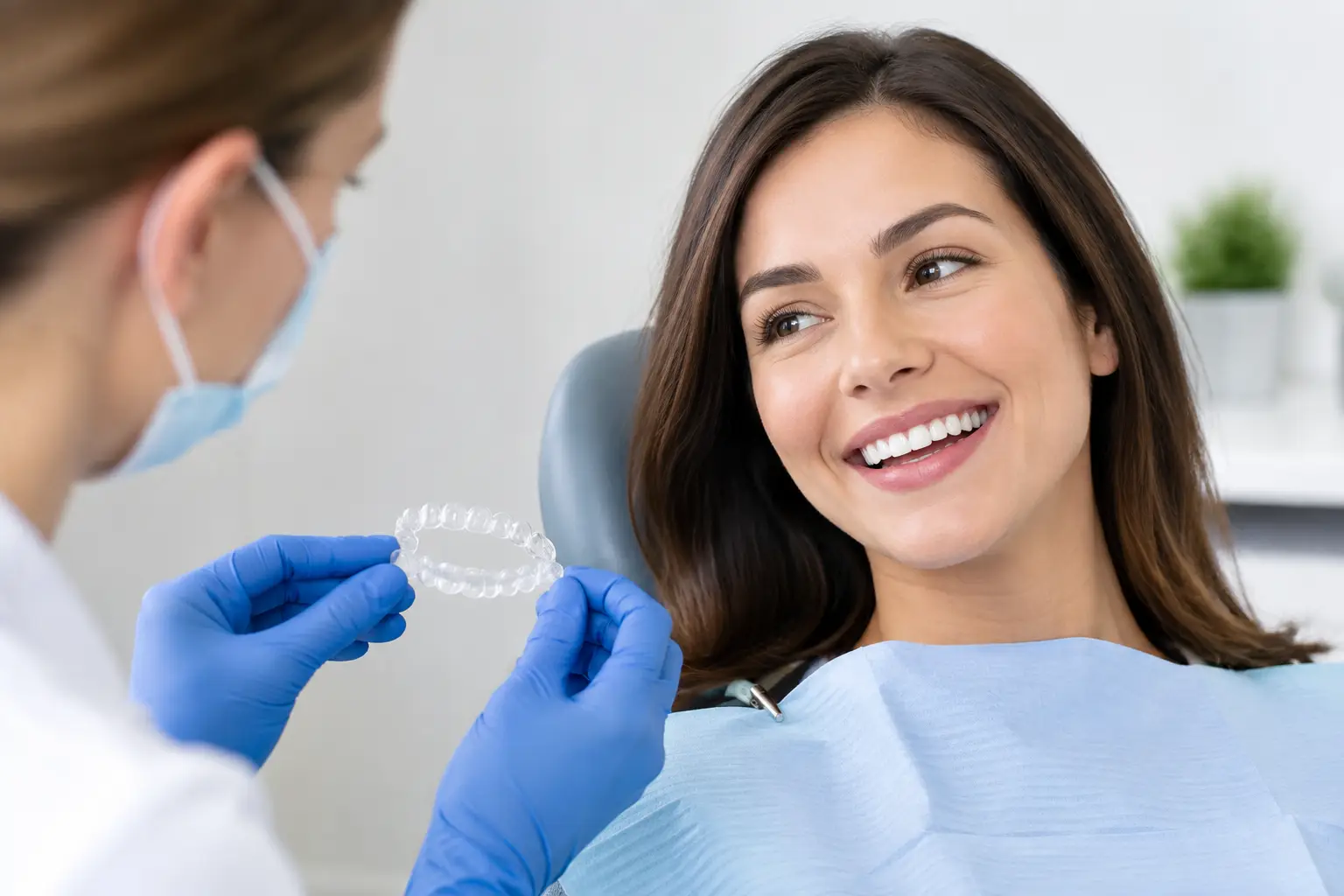
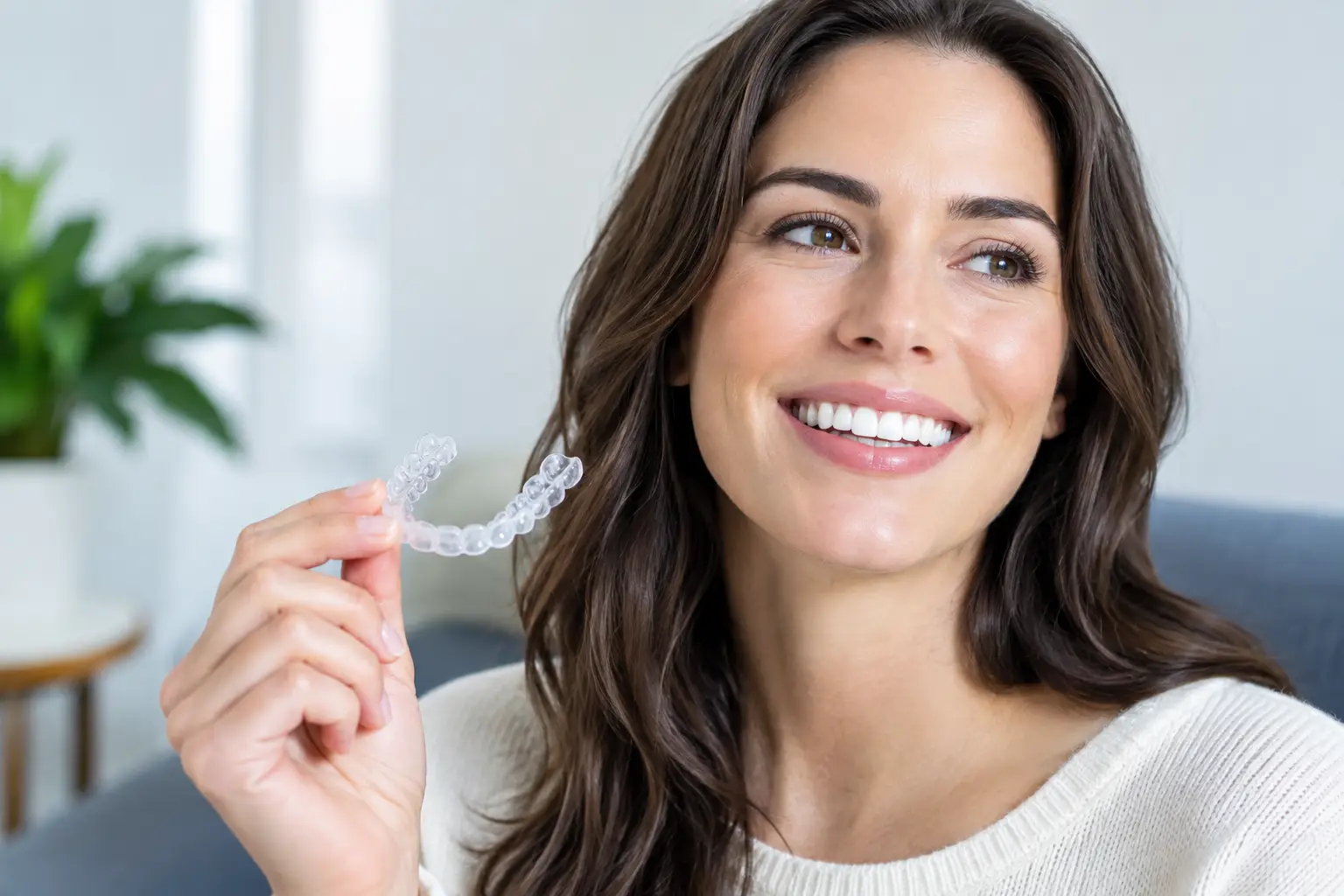
Invisalign treatment uses a series of custom-made, clear plastic aligners. Each set is designed to apply gentle, controlled pressure that moves specific teeth gradually. You wear one set for a prescribed period, often about one to two weeks, before moving to the next set in the series.
Unlike traditional braces, aligners are removable. You take them out to eat, drink anything besides water, brush, and floss. That flexibility is a meaningful advantage for many adults, particularly those who want to continue enjoying meals, attending work events, and caring for their teeth without navigating brackets and wires.
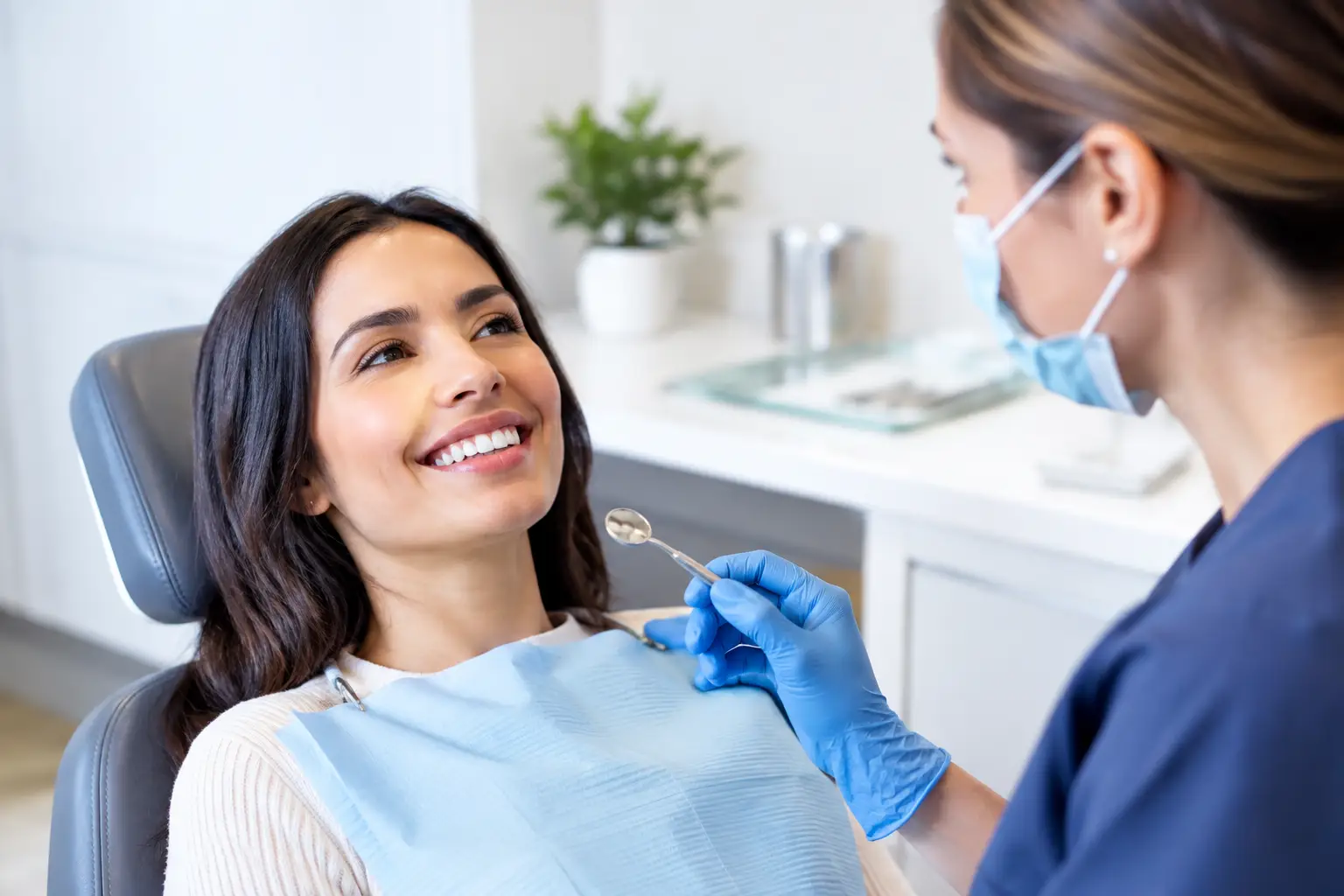
Before treatment begins, your dentist examines your teeth, bite, gums, and jaw function. Digital scans and images are used to map out the proposed tooth movement. This step matters because a straighter smile should also function comfortably. Moving teeth without considering bite alignment, existing restorations, gum health, or jaw symptoms can lead to disappointing results.
Once your aligners are ready, you will receive instructions for wearing and caring for them, along with scheduled check-ins to make sure treatment is progressing as planned. Some patients may also need small tooth-colored attachments. These are discreet, temporary shapes placed on selected teeth to help aligners create more precise movement.
Who Is a Good Candidate?
Many adults with mild to moderate crowding, spacing, or relapse after previous orthodontic treatment are excellent candidates for clear aligners. Invisalign may also help improve certain bite concerns, including some overbites, underbites, crossbites, and open bites. The right answer depends on the complexity of the case, not on age alone.
Healthy gums are especially important. Gum disease can weaken the supporting structures around teeth, and orthodontic movement should not begin until active periodontal concerns have been addressed. Cavities, cracked teeth, and ill-fitting crowns may also need attention first. This is not a delay for its own sake. It helps create a stable foundation for a healthier, longer-lasting result.
Clear aligners are not the ideal solution for every smile. Severe bite discrepancies, significant tooth rotations, certain jaw-related concerns, or cases requiring extensive movement may be better treated with traditional orthodontics or a combination of approaches. An honest consultation should include that conversation. The goal is not to fit every patient into Invisalign. It is to recommend the treatment that best supports your oral health, comfort, and goals.
The Daily Commitment That Makes Treatment Work
The greatest advantage of removable aligners is also their greatest responsibility. For treatment to stay on track, aligners typically need to be worn about 20 to 22 hours each day. Removing them for meals and oral hygiene is expected. Leaving them out for long stretches because of a busy day, a special occasion, or simple forgetfulness can slow progress and affect how well the next set fits.
Adults often do very well with Invisalign because they understand the value of consistency. A practical routine helps. Keep your aligner case with you rather than wrapping aligners in a napkin, brush before putting them back in after meals when possible, and rinse them with cool water. Heat can warp the plastic, so avoid leaving aligners in a hot car or cleaning them with hot water.
Coffee, tea, red wine, and colored beverages can stain aligners if consumed while wearing them. More importantly, sugary or acidic drinks trapped against teeth may increase the risk of decay. Water is the safest choice while aligners are in place.
What Adults Can Expect During Treatment
Most patients notice pressure or tenderness for a day or two when starting a new set of aligners. This is usually a sign that the aligners are actively moving teeth, and it tends to be manageable. Smooth plastic edges are generally comfortable, although a minor adjustment can be made if an edge irritates the tongue or cheek.
Treatment time varies widely. A limited correction may take only several months, while more comprehensive movement can take a year or longer. The timeline depends on the starting position of your teeth, the changes you want to make, your bite, and how consistently you wear the aligners. Refinement aligners are sometimes needed near the end of treatment to fine-tune the result. That is a normal part of pursuing a precise outcome, not necessarily a sign that something has gone wrong.
Appointments are usually less frequent than adjustment visits for braces, but they still matter. Your dentist monitors tooth movement, checks your bite, and identifies concerns early. If an aligner no longer fits properly, contact the office rather than trying to force it into place or skipping ahead on your own.
Straight Teeth Can Support Better Oral Health
The cosmetic benefits of a straighter smile are easy to see, but they are not the only reason adults choose treatment. Crowded or overlapping teeth can create tight areas that are harder to brush and floss thoroughly. When plaque is more difficult to remove, the risk of cavities and gum inflammation can rise.
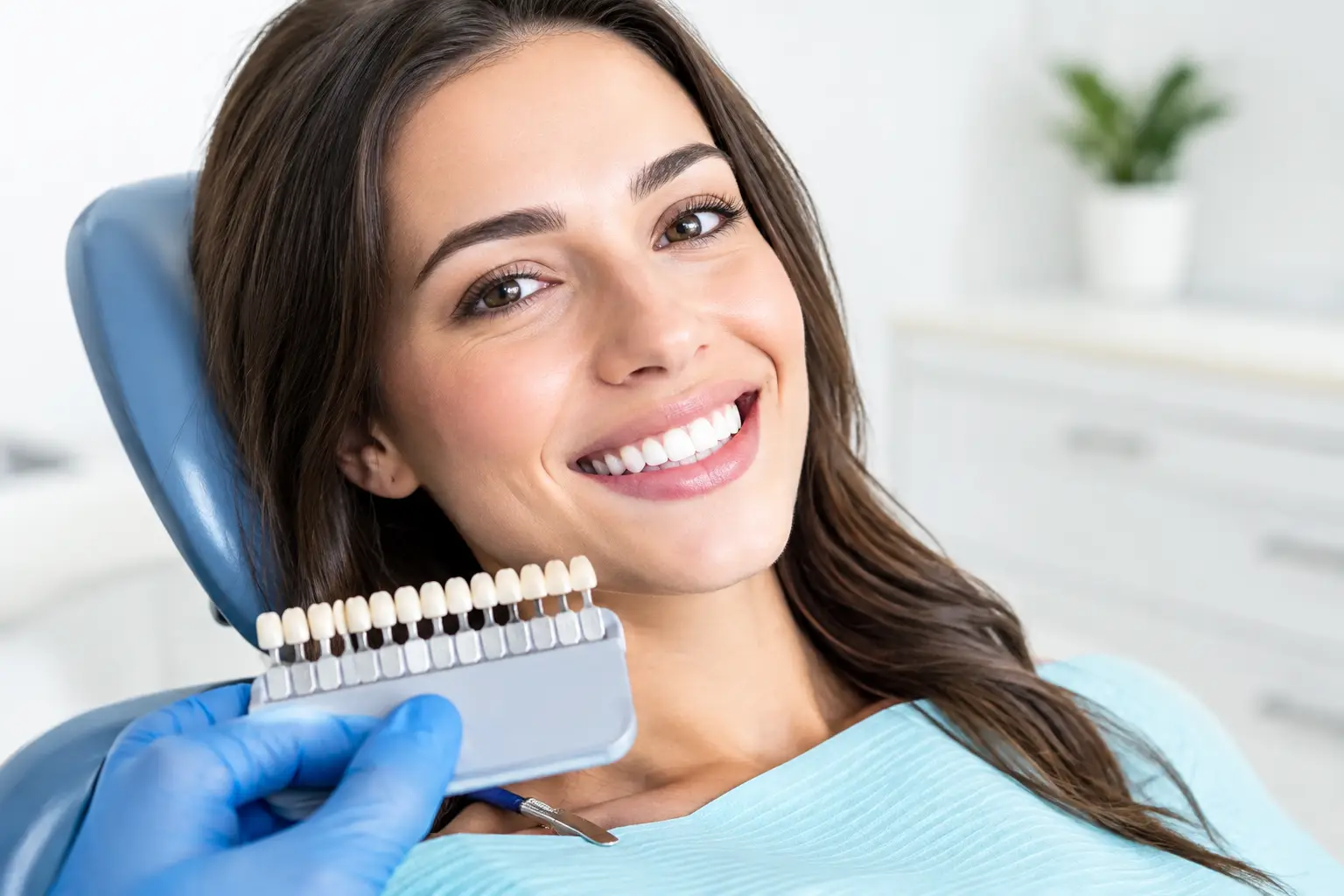
Orthodontic treatment is not a substitute for daily hygiene or professional cleanings, and straight teeth can still develop dental problems. Yet improving alignment may make home care more manageable and help create a smile that feels easier to maintain. If you are considering whitening, bonding, veneers, or other cosmetic work, aligning teeth first may also provide a more balanced foundation for those decisions.
Retainers Protect the Result You Worked For
Teeth are not fixed permanently in place after aligner treatment ends. They naturally have a tendency to shift over time, particularly in the lower front teeth. A retainer is how you protect the investment you have made in your smile.
Your dentist will recommend a retainer plan based on your treatment and needs. Many patients begin by wearing retainers more often and transition to nighttime wear. Following those instructions is essential. Retainers should become part of your long-term routine, much like brushing, flossing, and regular dental visits.
For adults in Fort Myers who want a more confident smile but prefer a subtle treatment option, a personal consultation can bring clarity. At Alliance Dental, the conversation begins with listening to what you would like to change, evaluating what your smile needs, and explaining your options without pressure. The right orthodontic plan should feel informed, comfortable, and worth the commitment it asks of you.
A straighter smile is not about chasing perfection. It is about feeling more at ease when you speak, laugh, eat, and care for your teeth. If that is a change you have been considering, a thoughtful evaluation is a practical first step toward a smile that feels more like your own.