Bleeding when you brush can be easy to dismiss, especially if it stops quickly. But healthy gums generally do not bleed with gentle brushing or flossing. The early signs of gum disease are often subtle, painless, and easy to overlook, which is exactly why paying attention early can make such a meaningful difference for your smile.
Gum disease begins when plaque, a sticky film of bacteria, remains along and below the gumline. In its earliest stage, called gingivitis, the gums become irritated and inflamed. With professional care and consistent home hygiene, gingivitis can often be reversed. Left untreated, however, it may advance to periodontitis, a more serious condition that can damage the bone and tissues supporting your teeth.
Early Signs of Gum Disease to Watch For
Gums that bleed during brushing or flossing
Bleeding gums are one of the most common warning signs. Some people assume bleeding means they should stop flossing, but the opposite is usually true: gentle, daily flossing helps remove plaque between teeth, where a toothbrush cannot fully reach.
If you have just started flossing again after a long break, mild bleeding may improve within a week or two as inflammation settles. If it continues, is heavy, or occurs without brushing or flossing, it deserves a dental evaluation. Bleeding can have other causes, including certain medications or medical conditions, so an exam is the best way to understand what is happening.
Red, swollen, or tender gums
Healthy gums tend to look firm and pale pink, although natural color varies from person to person. Inflamed gums may appear redder than usual, feel puffy, or become sore when you brush. You may notice that your gums feel sensitive around a particular tooth or that they look less defined along the edge of your smile.
Tenderness does not always mean gum disease. A hard-bristled toothbrush, overly aggressive brushing, or irritation from food can also cause discomfort. Still, if swelling or tenderness keeps returning, it should not be treated as normal.
Bad breath that does not go away
Persistent bad breath can be frustrating and personal. Coffee, garlic, dry mouth, sinus concerns, and some medications can all contribute. But when bad breath remains even after brushing, flossing, and cleaning your tongue, bacteria below the gumline may be part of the problem.
An unpleasant taste in your mouth can be another clue. This does not mean you have done anything wrong. It means your mouth may need professional help removing buildup that home care cannot reach.
Receding gums or teeth that look longer
When the gumline pulls away from the teeth, more tooth surface becomes visible. Some gum recession develops gradually enough that patients only notice it by comparing older photos or seeing increased sensitivity near the roots.
Recession can be associated with gum disease, but it can also result from brushing too forcefully, teeth grinding, orthodontic changes, or naturally thin gum tissue. The cause matters because the right treatment depends on what is driving the change.
New sensitivity to cold, heat, or sweets
A quick twinge when sipping cold water may stem from a cavity, a cracked tooth, worn enamel, or exposed roots from gum recession. Gum disease is not the only explanation, but new or worsening sensitivity should be examined rather than managed indefinitely with toothpaste alone.
Sensitivity products can be helpful for some patients, yet they do not diagnose or correct the underlying issue. A comfortable exam can clarify whether the concern is related to your gums, teeth, or both.
Changes in the way your teeth fit together
More advanced gum disease can affect the structures that hold teeth in place. A tooth that feels loose, spaces that seem to be opening, or a bite that suddenly feels different should be addressed promptly. These are not early symptoms for everyone, but they are important signs not to wait on.
Why Gum Disease Can Be Easy to Miss
Pain is a useful signal in many health conditions, but gum disease does not always cause pain at first. Plaque can harden into tartar, which cannot be removed with brushing and flossing at home. It may collect quietly below the gumline while the condition progresses.
This is why regular dental checkups and cleanings are more than a way to keep teeth looking polished. During an exam, your dental team can look for inflammation, measure the space between gums and teeth, check for recession, and identify buildup in areas that are difficult to see or clean. X-rays may also be recommended when needed to evaluate the bone supporting your teeth.
Certain factors can increase the likelihood of gum problems. Smoking and vaping, diabetes, dry mouth, family history, hormonal changes, stress, and inconsistent dental care can all play a role. Some people develop gum disease despite brushing carefully, while others have few visible symptoms until later. There is no value in feeling embarrassed about it. The focus should be on understanding your risk and making a plan.
What to Do if You Notice Early Gum Disease Symptoms
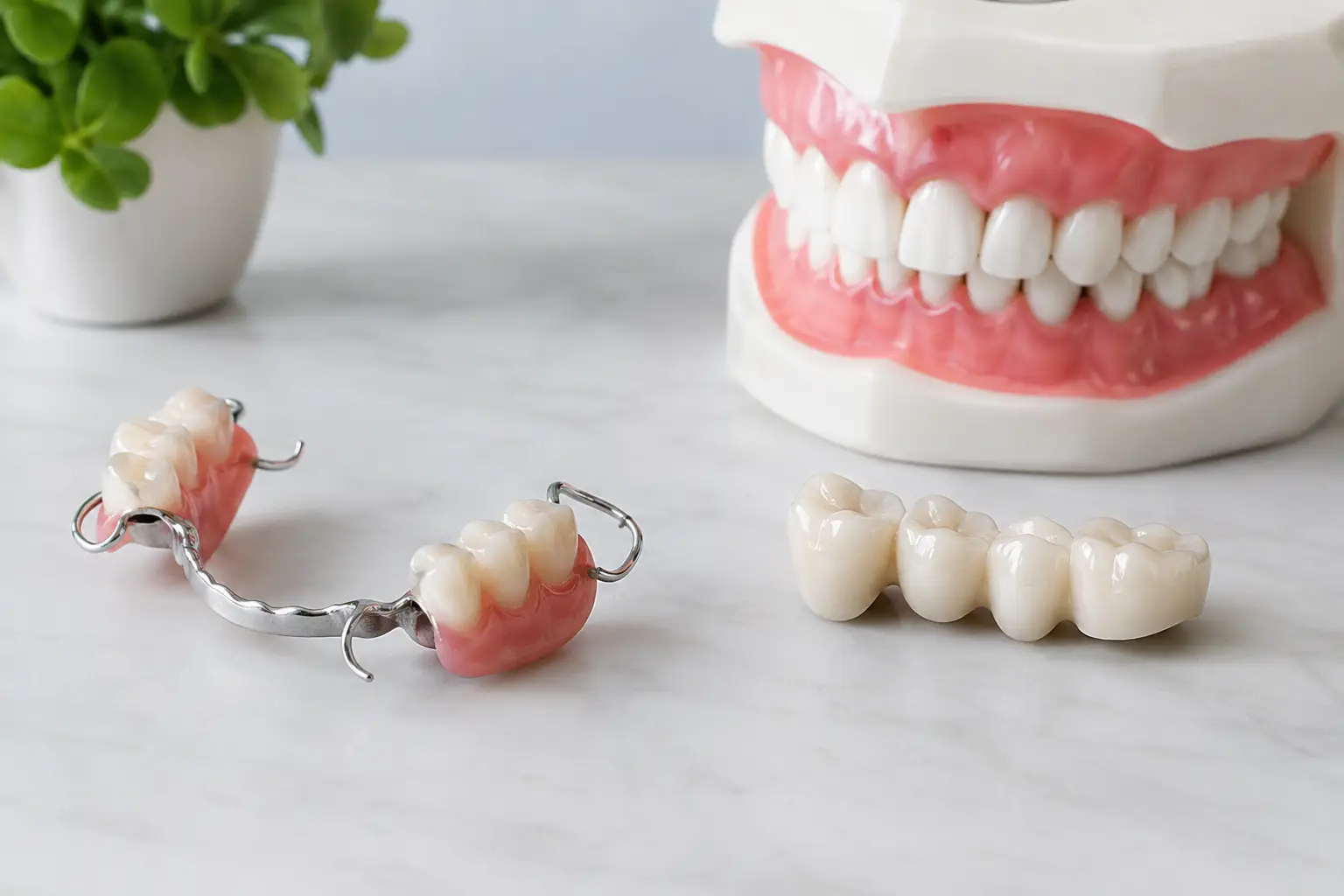
Start with gentle, thorough daily care. Brush twice daily with a soft-bristled toothbrush and fluoride toothpaste, angling the bristles toward the gumline without scrubbing harshly. Clean between your teeth once a day with floss, interdental brushes, or another tool recommended for your smile. If you wear a retainer, partial denture, bridge, or clear aligners, keep those appliances clean as well.
Just as important, schedule a dental visit rather than waiting to see whether symptoms disappear. Early gum inflammation may improve with a professional cleaning and better home-care technique. If deeper periodontal treatment is needed, identifying it sooner can help protect the bone and tissues that support your natural teeth.
Avoid trying to solve bleeding or swelling with a stronger toothbrush, whitening products, or mouthwash alone. Mouthwash may freshen breath and can be useful in certain care plans, but it does not remove tartar or replace a professional assessment. If you smoke or vape, reducing or stopping can be one of the most meaningful steps for your gums as well as your general health.
A Gentle Conversation Can Change the Next Step
Dental anxiety keeps many people from bringing up gum concerns until the symptoms become difficult to ignore. You deserve care that is calm, respectful, and clear about what is being found and why a recommendation is being made. At Alliance Dental, the goal is to listen first, explain your options in plain language, and help you feel comfortable throughout your visit.
For families in Fort Myers and surrounding Southwest Florida communities, a routine appointment is a practical opportunity to catch small changes before they become more complex. Whether you have noticed a little blood in the sink, persistent bad breath, or a receding gumline, bringing it up is a strong first step toward a healthier, more comfortable smile.
Your gums support every tooth you rely on to eat, speak, and smile with confidence. If something feels different, let that small signal be a reason to care for yourself now, not a reason to worry alone.