A smile makeover is rarely about making every tooth look identical or blindingly white. For many people, it begins with a much more personal concern: a front tooth that has darkened, worn edges that show in photos, spaces that have become more noticeable, or a smile that no longer reflects how confident they feel inside. Fort Myers smile makeover cases can look very different from one patient to the next because the best results begin with listening, not a one-size-fits-all cosmetic plan.
At Alliance Dental, a smile makeover is approached as both an aesthetic and oral health decision. The goal is to help you feel comfortable smiling while protecting the function, strength, and long-term health of your teeth.
What a Smile Makeover Can Address
A smile makeover is a customized combination of cosmetic and restorative dental treatments. It may involve one treatment, such as professional teeth whitening, or several treatments completed in a thoughtful sequence. The right approach depends on what you would like to change, the condition of your teeth and gums, your bite, and your timeline.
Common concerns seen in Fort Myers smile makeover cases include discoloration that does not respond well to over-the-counter products, chips and uneven tooth edges, small gaps, crooked or crowded teeth, older restorations that no longer match, and missing teeth. Some patients have healthy teeth but want a brighter, more balanced appearance. Others need to restore damaged or missing teeth before cosmetic improvements can be considered.
That difference matters. Placing a veneer over a tooth with untreated decay, covering gum inflammation with cosmetic work, or whitening before replacing a visible crown can create avoidable problems. A beautiful result should also be stable, comfortable, and healthy.
Fort Myers Smile Makeover Cases Start With Health
Before discussing shades, shapes, or photographs, your dentist should evaluate the foundation of your smile. This includes checking for cavities, gum disease, worn enamel, cracked teeth, bite concerns, and signs of teeth grinding. If you experience jaw soreness, frequent headaches, or damage to several teeth, an oral appliance or other treatment may be part of the conversation.
Healthy gums are particularly important. Gum tissue frames every tooth, so inflammation, recession, or uneven gum levels can affect both appearance and treatment choices. In some cases, periodontal care should come first. In others, a patient may be ready to move forward with cosmetic treatment after a routine cleaning and examination.
This step can feel less exciting than choosing a whiter shade, but it protects your investment. Cosmetic dentistry tends to look better and last longer when the underlying oral health concerns are addressed first.
Common Treatment Paths and Why They Differ
There is no standard smile makeover package. A dentist may recommend different options for two patients who describe the same concern because their enamel, bite, existing dental work, and goals are not the same.
Whitening for a Brighter, More Even Smile
Professional whitening can be an excellent starting point for teeth that are naturally yellowed or stained by coffee, tea, red wine, tobacco, or aging. It is conservative because it does not alter the tooth structure. It can also help establish the shade for future restorations.
Whitening has limits, however. Crowns, veneers, fillings, and bonding do not whiten in the same way as natural enamel. If a front crown is darker than surrounding teeth, whitening alone may make the contrast more obvious. In that situation, whitening may be completed first, followed by a replacement restoration matched to the new shade.
Veneers for Shape, Color, and Symmetry
Porcelain veneers are thin, custom-made coverings bonded to the front surfaces of teeth. They can improve the appearance of persistent discoloration, minor spacing, worn edges, small chips, and uneven tooth shape. They are often considered when a patient wants a meaningful change in the visible smile zone.
Veneers are not automatically the best answer for every imperfection. They may require preparation of natural tooth structure, and they are a long-term commitment. Patients who grind their teeth, have active gum disease, or have significant bite issues may need additional planning before veneers are appropriate. When they are well planned, the aim is a result that complements your facial features and still looks like your own smile.
Invisalign or Six Month Smile for Alignment
When the main issue is crowding, spacing, or teeth that have shifted over time, orthodontic treatment may be the more conservative path. Invisalign and Six Month Smile can move teeth into more favorable positions, often reducing the need to reshape healthy enamel or use multiple veneers to create the appearance of alignment.
Orthodontic treatment takes patience, and it is not ideal for every situation. Some complex bite concerns need a different orthodontic approach. Still, straightening teeth before whitening, bonding, or veneers can create a healthier, more balanced foundation for the final cosmetic work.
Bonding, Crowns, and Tooth-Colored Restorations
Dental bonding may be a practical choice for a small chip, narrow gap, or minor contour issue. It is generally more conservative and often costs less than veneers, though it can stain or chip more easily over time. Crowns are often recommended when a tooth has extensive decay, a large old filling, a fracture, or root canal treatment that has weakened its structure.
Modern tooth-colored restorations are designed to restore strength while blending naturally with nearby teeth. In smile makeover planning, the key is coordinating their color and shape with the full smile rather than treating each tooth as an isolated repair.
Dental Implants for Missing Teeth
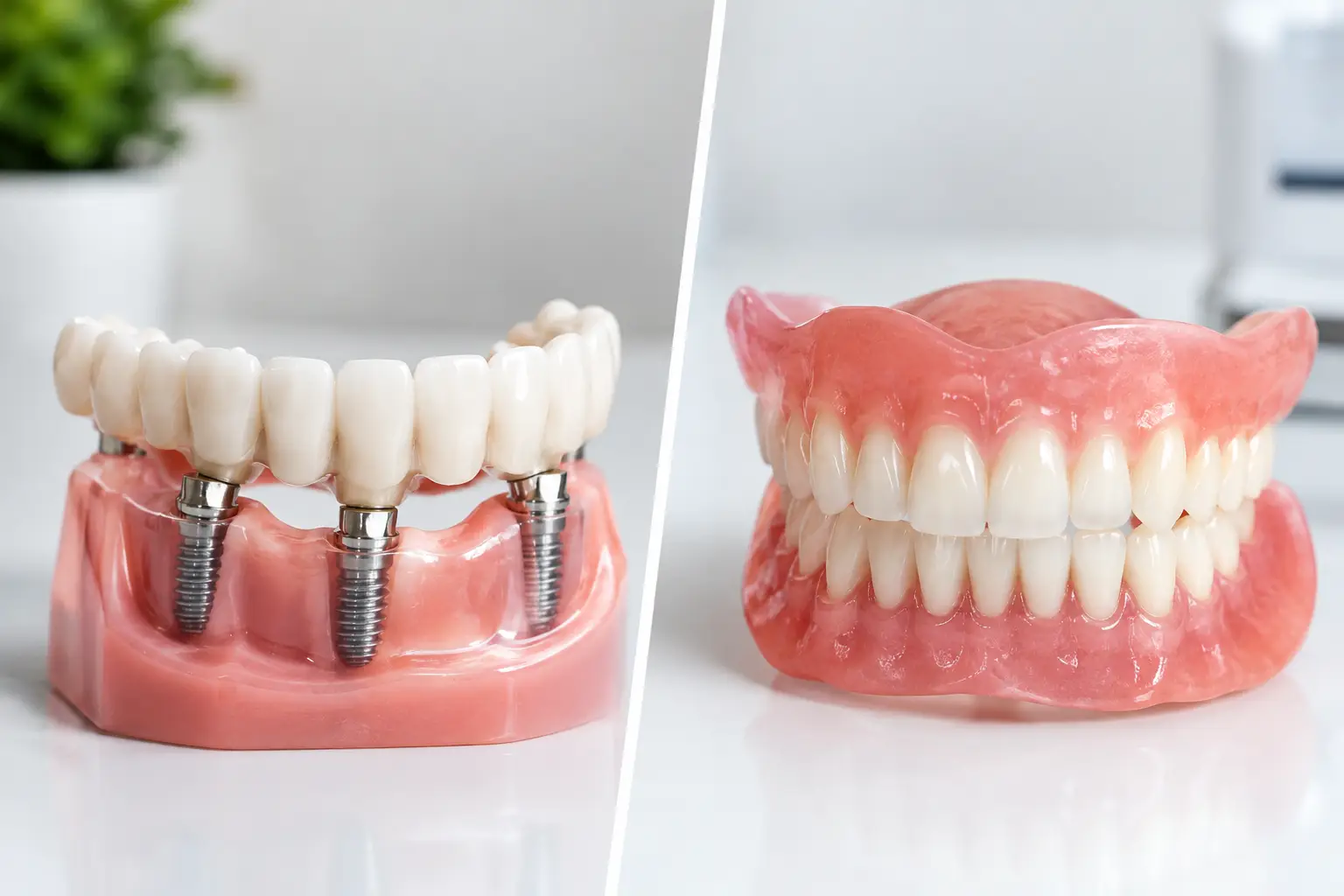
A missing tooth can affect more than a photograph. Over time, nearby teeth may shift, chewing may become less comfortable, and bone loss can occur in the area of the missing tooth. Dental implants can replace a missing tooth root and support a crown that is made to match the surrounding smile.
Implant treatment requires careful evaluation of bone, gum health, medical history, and healing needs. It also takes more time than a whitening or bonding appointment. For patients missing a visible tooth, the long-term value of restoring function and maintaining the smile can make the planning process worthwhile.
Natural Results Are Designed, Not Chosen From a Chart
A shade guide is useful, but it cannot decide what will look natural on your face. The most flattering smile considers tooth proportions, lip movement, skin tone, age, and the character of your existing teeth. Some patients want a noticeably bright, polished look. Others want a subtle change that friends recognize only as a healthier, happier appearance.
Communication makes the difference. During a cosmetic consultation, it helps to explain what bothers you, what you like about your current smile, and how dramatic you want the change to feel. Bringing up practical concerns is equally valuable. You may have a wedding approaching, prefer to complete treatment in phases, or want options that fit a particular budget.
A responsible recommendation should include trade-offs. More conservative treatments may require touch-ups or deliver a smaller visual change. Longer-lasting restorations may involve greater investment and more preparation. The right plan is the one that respects your health, goals, comfort level, and priorities.
How to Care for Your New Smile
A smile makeover does not replace routine care. Brushing twice daily with fluoride toothpaste, cleaning between teeth every day, and keeping regular checkups help protect natural teeth, gums, and dental restorations. If you clench or grind, wearing a prescribed night guard can help protect veneers, crowns, bonding, and enamel from unnecessary force.
Coffee, tea, red wine, and tobacco can gradually affect the color of natural teeth and some bonding materials. You do not need to give up every favorite drink, but good home care and professional cleanings can help maintain a fresh appearance. If your smile includes restorations, your dental team can recommend products that clean effectively without being overly abrasive.
The most meaningful smile makeovers are not about chasing someone else’s idea of perfection. They are about addressing what has been holding you back and creating a smile that feels healthy, comfortable, and genuinely yours. A thoughtful consultation gives you room to ask questions, understand your options, and take the next step at a pace that feels right.