A wedding invitation, a new job, or simply seeing yourself in photos can make a crooked smile feel more noticeable than it once did. When patients ask about Invisalign versus braces, they are usually asking for more than a cosmetic comparison. They want to know which option will fit their daily routine, feel manageable, and create a healthy smile they can feel proud to show.
Both treatments can move teeth with precision. The better choice depends on your bite, the position of your teeth, your oral health, and how consistently you can follow the treatment plan. A thoughtful orthodontic consultation can replace guesswork with a recommendation built around your individual needs.
Invisalign Versus Braces: The Main Difference
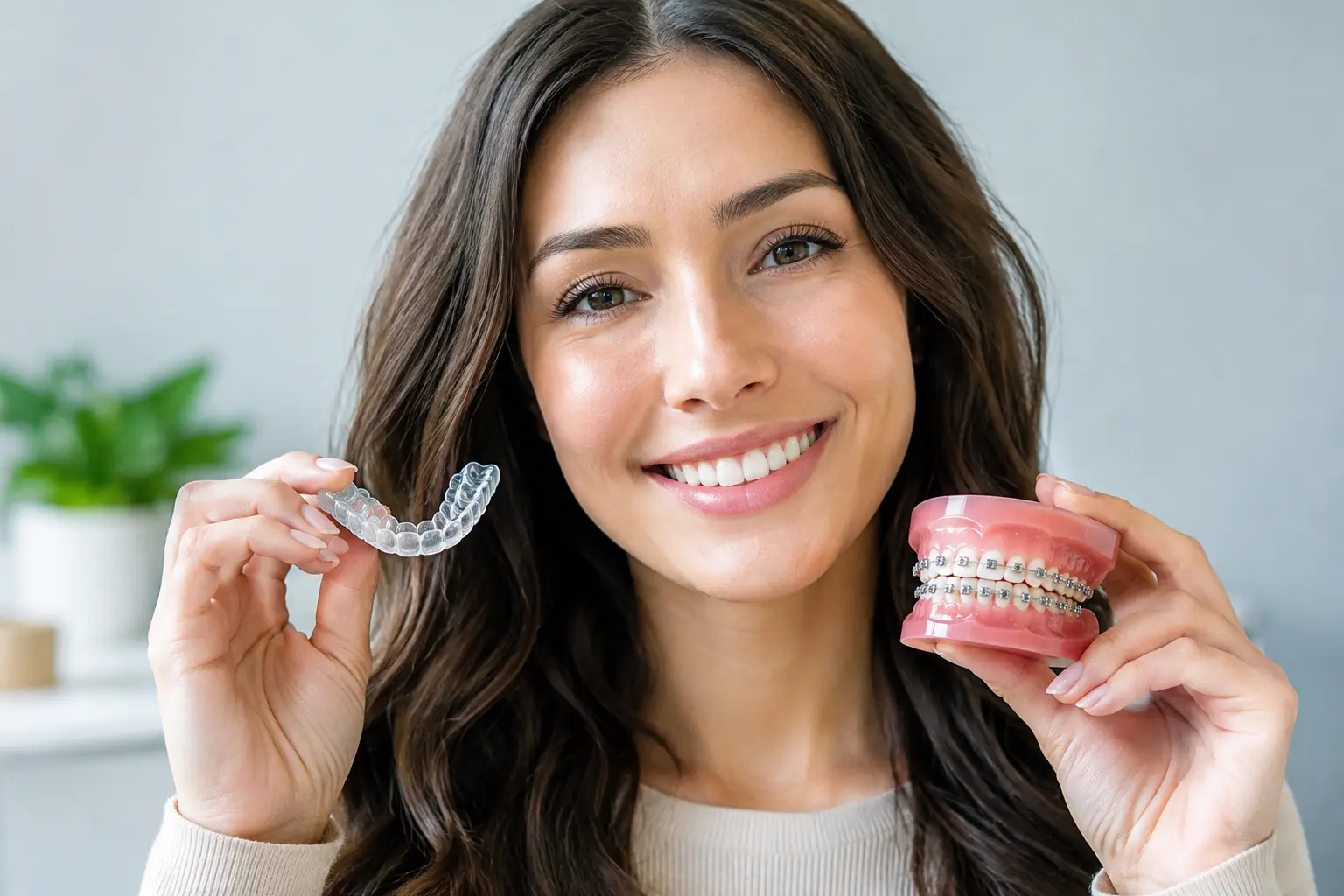
Traditional braces use brackets attached to the teeth and a wire that is adjusted over time. Gentle, continuous pressure guides teeth into better positions. Braces remain in place throughout treatment, so they are working around the clock without requiring you to remember to put them in.
Invisalign treatment uses a series of clear, custom-made removable aligners. Each set is designed to make small planned movements before you move on to the next set. The aligners should generally be worn 20 to 22 hours each day, coming out for meals, most drinks other than water, and brushing and flossing.
Neither option is automatically better. Braces and clear aligners are both valuable orthodontic tools. The question is which one gives your dentist the right level of control while matching your lifestyle and treatment goals.
Appearance and Confidence During Treatment
For many adults and older teens, appearance is the first reason clear aligners stand out. Invisalign aligners are transparent and sit closely over the teeth, making them less noticeable in everyday conversations, meetings, and photos. They can be a reassuring option for people who want to straighten their teeth without drawing much attention to treatment.
Braces are more visible, but that does not make them the wrong choice. Modern brackets are smaller and more comfortable than many people remember. Some patients enjoy choosing colored elastics, especially younger patients. Others prefer clear or tooth-colored bracket options when appropriate.
Confidence is personal. If you know you would feel more comfortable with a subtle treatment option, aligners may support that goal. If you would rather have a system that is always in place and does not depend on daily wear habits, braces may bring greater peace of mind.
Comfort, Eating, and Everyday Care
Both braces and Invisalign create pressure as teeth move. Mild tenderness is common after an adjustment or when changing to a new aligner set. This usually improves within a few days and is often a sign that treatment is progressing.
Clear aligners have smooth edges and no brackets or wires. Patients can remove them for meals, then brush and floss normally before placing them back in. That convenience is a major benefit, particularly for adults with busy schedules or patients who want fewer changes to their food choices.
With braces, certain foods can bend wires, loosen brackets, or become difficult to clean away. Sticky candy, chewing gum, popcorn, hard nuts, and crunchy ice are usually off the menu during treatment. Brushing carefully around brackets and using flossing aids takes extra time, but it is essential for protecting teeth and gums.
The removable nature of Invisalign also creates responsibility. Aligners can be misplaced in a napkin at a restaurant or left out for too long. If they are not worn as directed, tooth movement can slow down and the final result may be less predictable. For patients who prefer a treatment option they cannot forget, fixed braces can be a practical advantage.
Which Problems Can Each Treatment Correct?
Clear aligner technology has advanced significantly. Invisalign can often address crowding, spaces, certain bite concerns, and teeth that have shifted after previous orthodontic treatment. Attachments, which are small tooth-colored shapes placed temporarily on selected teeth, may help aligners create more precise movements.
Still, some complex orthodontic issues respond more predictably to braces. Significant rotations, severe crowding, teeth that need substantial vertical movement, and certain jaw or bite relationships may require the consistent force and control of brackets and wires. In other situations, aligners are an excellent solution but may need additional features or a longer treatment plan.
A healthy foundation matters regardless of the system selected. Active gum disease, untreated decay, or a broken tooth should be addressed before orthodontic movement begins. Moving teeth through unhealthy gums can compromise the very smile you are trying to improve. Your dental team should evaluate your teeth, gums, bite, and any existing restorations before making a recommendation.
Age Can Influence the Conversation
Adults are often strong candidates for Invisalign because they understand the importance of wearing aligners consistently and appreciate their discreet appearance. Adults may also have crowns, bridges, implants, or a history of dental treatment that requires careful planning.
For children and teenagers, braces are often a dependable choice, particularly when permanent teeth are still coming in or daily compliance may be uncertain. Some teens do very well with clear aligners, especially when they are motivated and prepared to keep track of them. The right age is less important than the condition of the teeth and the patient’s readiness for treatment.
Treatment Time and Follow-Up Visits
Treatment time varies widely. Minor alignment concerns may be corrected in several months, while more comprehensive orthodontic treatment can take 18 months or longer. It is tempting to choose based on the shortest estimate, but a reliable result should always take priority over speed.
Invisalign appointments may be less frequent because patients receive several aligner sets at a time. Braces require periodic adjustments to replace wires or change elastics. Both approaches need regular monitoring so your provider can confirm that teeth are moving safely and according to plan.
After either treatment, retainers are not optional. Teeth naturally tend to drift over time, particularly in the lower front teeth. Wearing retainers as instructed protects the investment you have made in your smile.
Cost Factors to Consider
The cost of Invisalign or braces depends on the complexity of the case, treatment length, the type of appliances used, and follow-up care. Clear aligners may cost more in some cases, though the difference is not always dramatic. It is best not to assume that one treatment will always be less expensive than the other.
Insurance coverage for orthodontics varies by plan and may include age limits or lifetime maximums. During a consultation, ask for a clear treatment estimate, what is included in the fee, expected insurance benefits, and available payment options. Transparent financial conversations help patients make decisions without surprises.
How to Decide What Is Right for You
The choice between Invisalign and braces is not a test of which treatment is more modern or more attractive. It is a clinical and personal decision. If discretion, easy brushing, and food flexibility are priorities and you can commit to wearing aligners as directed, Invisalign may be an excellent fit. If your case requires more complex movement or you prefer treatment that stays in place, braces may be the more dependable path.
At Alliance Dental, the goal is to listen first, examine carefully, and explain your options in a calm, comfortable setting. A personalized consultation can show you what is possible for your smile and what each treatment would ask of you. The most rewarding choice is the one that supports healthy teeth, a stable bite, and the confidence to smile without holding back.