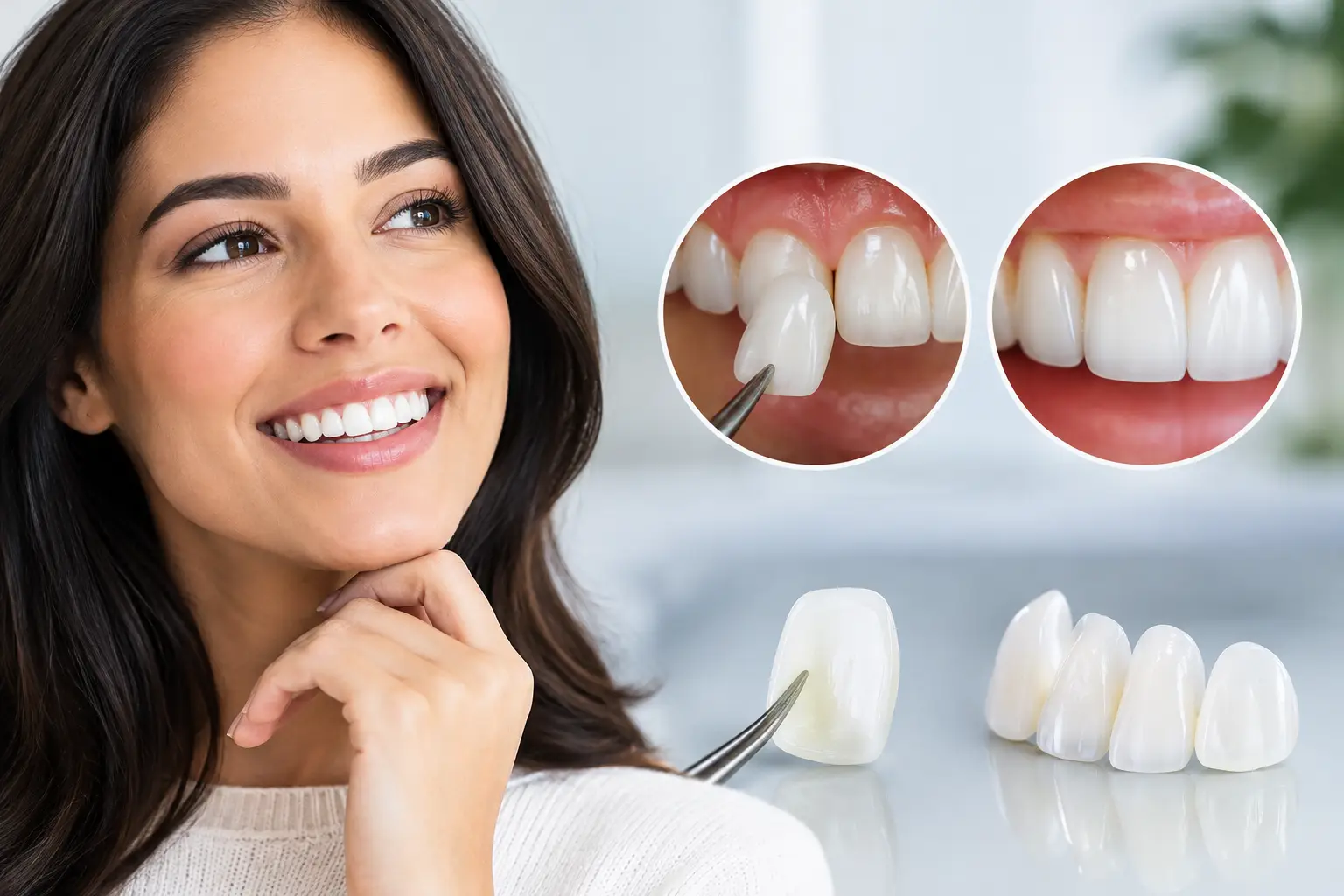
A tooth can feel perfectly normal while a small cavity is forming beneath the surface, plaque is collecting along the gumline, or an old filling is beginning to weaken. That is why preventive dentistry is not simply about getting a cleaning when your smile feels fine. It is a thoughtful approach to protecting the comfort, function, and confidence of your smile before small concerns become more complicated problems.
For families, busy professionals, and anyone who has put off dental visits because of fear or a full schedule, prevention creates a calmer path forward. Regular care gives your dental team the opportunity to listen, monitor changes, and recommend treatment only when it is truly needed.
What Preventive Dentistry Includes
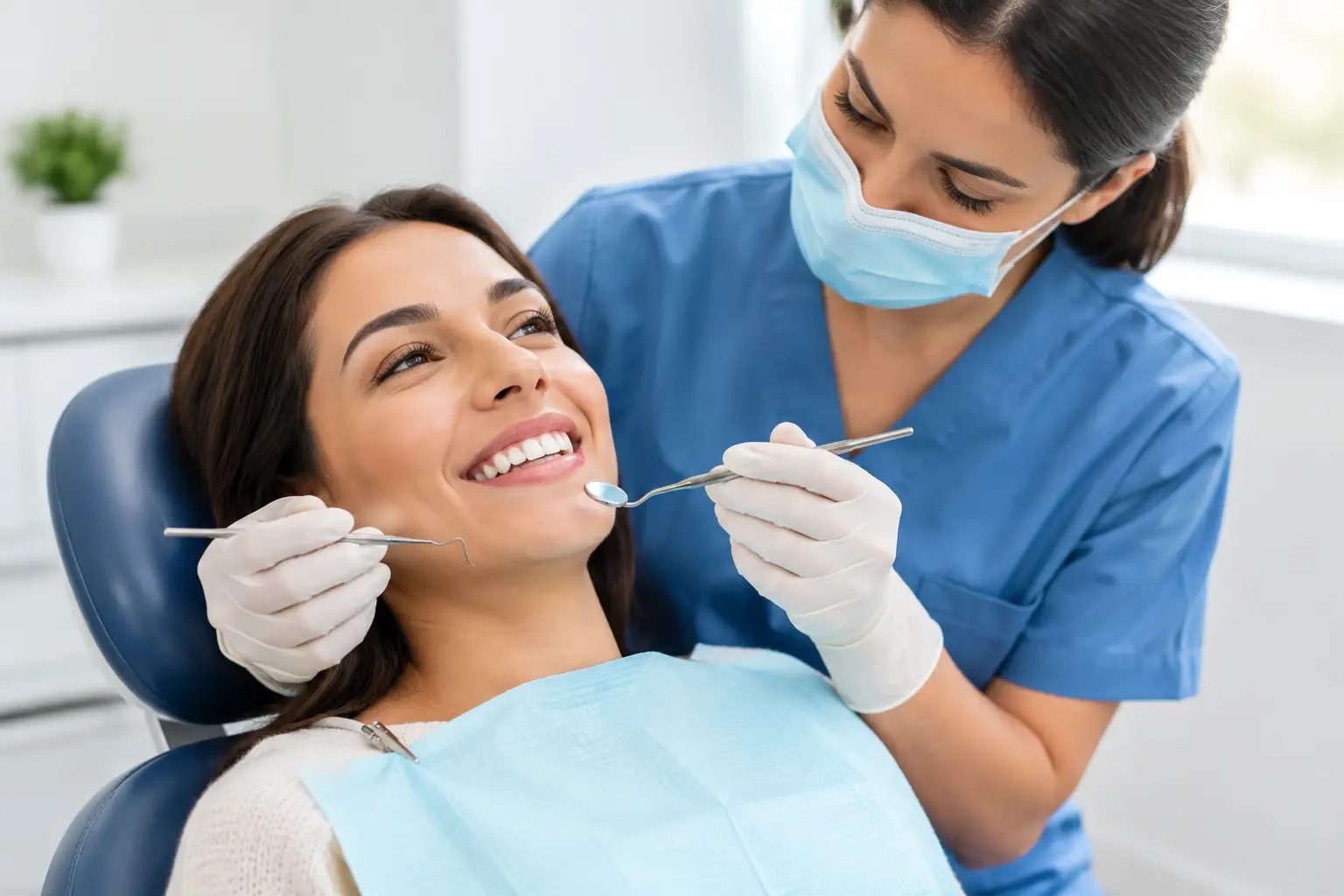
Preventive dental care begins with routine exams and professional cleanings. During an exam, your dentist checks the teeth, gums, bite, and surrounding oral tissues for early signs of decay, gum disease, worn enamel, infection, oral cancer, and other concerns that may not cause symptoms yet. Digital X-rays may be recommended when they can reveal problems between teeth or below existing restorations.
A professional cleaning removes hardened plaque, called tartar or calculus, that brushing and flossing cannot remove at home. Your hygienist also cleans around the gumline, where inflammation often begins. If your gums bleed during brushing or cleaning, that is not something to ignore or simply accept. It can be an early signal that your gums need more focused attention.
Preventive care also includes guidance tailored to your needs. That may mean reviewing brushing technique, discussing a dry-mouth medication, suggesting a custom night guard for clenching, or recommending sealants for a child’s newly erupted back teeth. There is no single routine that fits every patient equally well.
Why Early Care Makes Such a Difference
Many dental problems become painful only after they have progressed. A cavity may start as a small area of mineral loss in enamel, without sensitivity. Gum disease may begin with mild bleeding and tenderness, then gradually affect the bone that supports the teeth. A cracked tooth may only hurt occasionally when chewing, yet worsen under repeated pressure.
Finding these changes early can often mean a simpler, more conservative solution. A small cavity may need a tooth-colored filling rather than a crown or root canal treatment. Early gum inflammation may improve with professional cleanings and stronger home care, rather than more extensive periodontal treatment. Monitoring a small crack can help your dentist protect the tooth before it breaks at an inconvenient moment.
Prevention is not a promise that no dental treatment will ever be needed. Genetics, medications, medical conditions, injuries, diet, and past dental work all influence oral health. The goal is to reduce avoidable risk and address concerns at the stage when care is usually more comfortable, less complex, and easier to plan around.
Your Gums Deserve Equal Attention
Healthy teeth depend on healthy gums and bone. Periodontal disease is especially easy to overlook because it may develop with little or no pain. Persistent bad breath, gums that bleed, gum recession, tenderness, or teeth that feel different when biting can all deserve an evaluation.
When gum disease is caught early, personalized hygiene coaching and regular professional care can make a meaningful difference. If deeper cleaning is needed, having a clear explanation of the findings and your treatment options helps remove uncertainty. A gentle, respectful approach matters, particularly for patients who have had uncomfortable dental experiences in the past.
The Home Habits That Support Your Visits
Dental appointments are essential, but the everyday choices between visits have the greatest influence on plaque buildup and cavity risk. Brush twice a day with fluoride toothpaste, using a soft-bristled toothbrush and gentle pressure. Brushing harder does not clean better and can contribute to gum recession or tooth wear over time.
Clean between your teeth once a day with floss, interdental brushes, or another tool recommended for your smile. The right option depends on the spacing of your teeth, the health of your gums, and whether you have bridges, implants, or orthodontic appliances. The best tool is the one you can use correctly and consistently.
Frequent sugar exposure matters as much as the total amount of sugar. Sipping sweet coffee, soda, sports drinks, or juice over several hours repeatedly feeds cavity-causing bacteria. Water is a better everyday choice, and enjoying sweet foods or drinks with a meal is often kinder to teeth than grazing throughout the day. If you have dry mouth, a history of cavities, or acid reflux, ask your dentist whether you need additional protection.
For children, caregivers play a central role. Start cleaning a baby’s gums before teeth appear, use a rice-grain-sized smear of fluoride toothpaste for children under age three, and use a pea-sized amount for ages three to six, with supervision to limit swallowing. Early, positive visits help children see the dental office as a familiar, friendly place rather than somewhere to fear.
How Often Should You Schedule Preventive Visits?
For many patients, a checkup and cleaning every six months is a helpful rhythm. However, six months is a guideline, not a rule. Patients with active gum disease, frequent cavities, dry mouth, diabetes, tobacco use, orthodontic treatment, or certain medical conditions may benefit from more frequent visits. Others with excellent oral health and low risk may have a different schedule based on their dentist’s assessment.
The right interval should come from a conversation, not a one-size-fits-all recommendation. Your history matters: how quickly plaque accumulates, whether your gums bleed, past restorative work, medication changes, and even habits such as nighttime grinding can shape a preventive plan.
If it has been a few years since your last appointment, you do not need to wait until something hurts. A first visit is simply a chance to understand where your oral health stands. At Alliance Dental, the focus is on listening first, explaining findings clearly, and helping patients move forward at a pace that feels manageable.
Prevention Supports More Than Oral Health
A healthy smile affects everyday life in quiet but important ways. It can make meals more comfortable, reduce self-consciousness about breath or appearance, and prevent dental emergencies from interrupting work, school, vacations, and family time. Keeping natural teeth healthy also helps preserve normal chewing function and supports the treatments you may choose later, from whitening and Invisalign to crowns or dental implants.
Preventive visits can also be reassuring for patients who feel anxious. Knowing what to expect, having time to ask questions, and building familiarity with a caring dental team can change the experience of dental care. You are not expected to have perfect habits or a perfect dental history. You deserve clear information and respectful care from where you are now.
A small concern addressed today may spare you discomfort tomorrow. If you are due for a checkup, noticing bleeding gums, or simply want a more personalized plan for your family’s smiles, scheduling a preventive visit is a practical, caring next step.