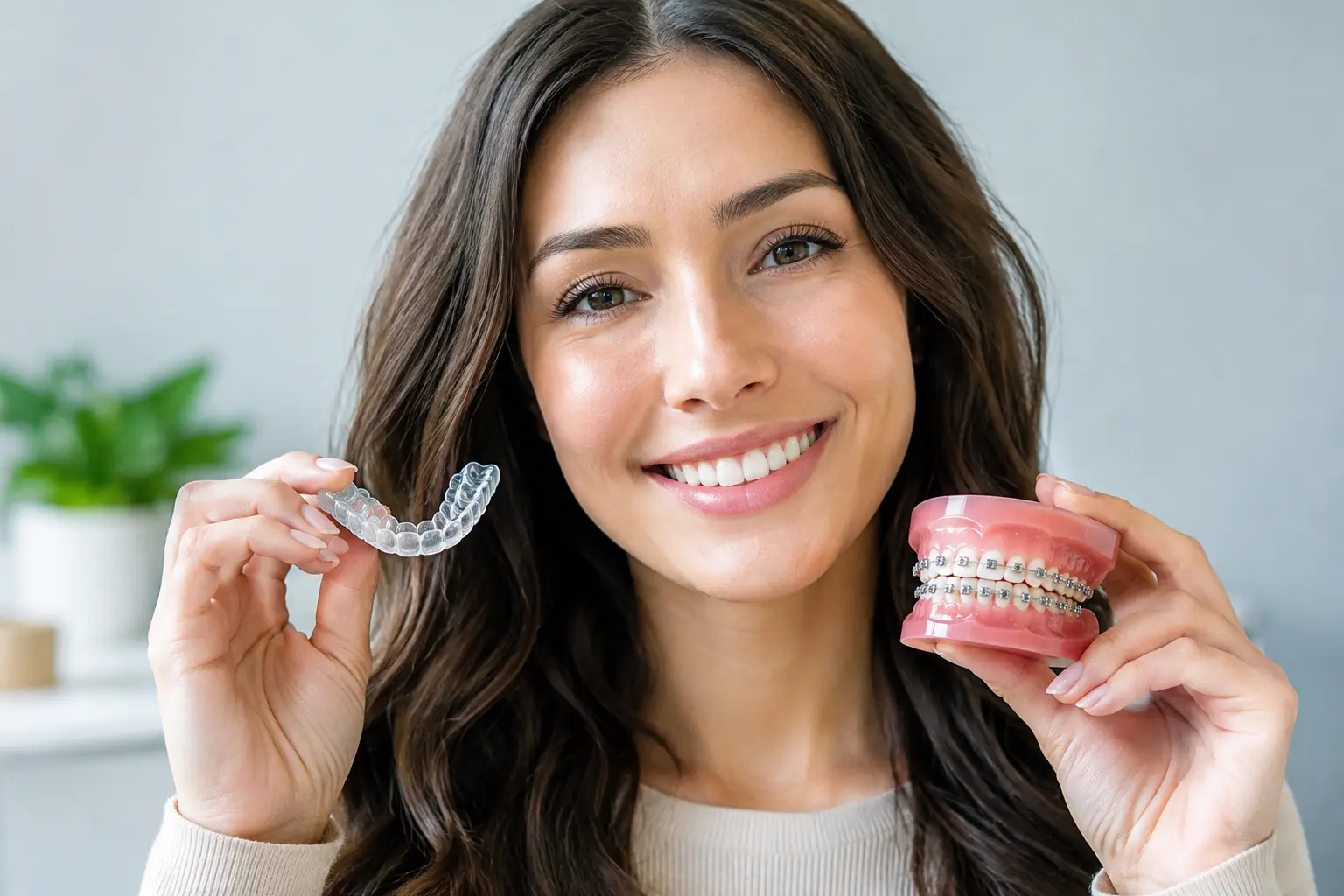
A five-star rating can feel reassuring when you are considering orthodontic treatment, especially if you have spent years feeling self-conscious about your smile. But clear aligner reviews are most useful when you read beyond the star count. The details can help you understand what treatment feels like day to day, how a dental team communicates, and whether patients felt supported when questions or concerns came up.
Clear aligners can be an excellent option for adults and teens with certain spacing, crowding, or bite concerns. They are discreet, removable, and designed around your individual smile. Still, the right choice is not simply the brand with the most enthusiastic reviews. It is the treatment plan and dental provider that fit your oral health, goals, lifestyle, and comfort level.
What Clear Aligner Reviews Can Tell You
Reviews are often strongest when they describe a complete experience rather than offering a brief statement such as “great results.” Look for comments about the consultation, the clarity of the treatment explanation, appointment availability, and whether the patient felt listened to. A beautiful final smile matters, but so does feeling respected throughout the process.
Specific descriptions may also reveal practical details. Did the office explain how long treatment was expected to take? Were refinements discussed if teeth did not move exactly as planned? Did the patient know who to call if an aligner felt uncomfortable, was lost, or did not fit properly? These are the moments that often shape a patient’s experience far more than a polished before-and-after photo.
It can also be helpful to notice whether reviewers mention different needs. Someone with mild lower-front crowding may have a very different experience from someone whose treatment involves bite correction, gum concerns, or restorative work. A review is a personal account, not a prediction of your own results.
How to Read Clear Aligner Reviews With Perspective
Online feedback is one piece of useful information, but it cannot show the full clinical picture. Clear aligners move teeth gradually through a series of carefully planned trays. Before treatment begins, your dentist should evaluate your teeth, gums, bite, existing crowns or fillings, jaw comfort, and overall oral health. No review can replace that assessment.
Pay attention to patterns rather than one unusually glowing or frustrated comment. Consistent praise for gentleness, thorough explanations, punctuality, and attentive follow-up may suggest a practice culture that values patient care. Likewise, repeated concerns about rushed visits or poor communication deserve consideration.
The timing of a review matters, too. A patient may be thrilled during the first month because the aligners are nearly invisible, yet the more meaningful feedback may come after treatment is complete and retainers are in place. Long-term comments can offer insight into finishing details, ongoing support, and whether the patient understands how to protect their new smile.
Reviews should never make you feel pressured to choose treatment quickly. A trustworthy provider welcomes thoughtful questions and explains both the benefits and the limitations of clear aligners for your particular situation.
The Questions Reviews Cannot Answer for You
Even the most detailed testimonial cannot tell you whether clear aligners are the best approach for your mouth. That requires an examination and a conversation about your priorities.
For example, aligners may be appealing because they can be removed for meals, brushing, flossing, and special occasions. That convenience comes with responsibility. Most patients need to wear them about 20 to 22 hours each day for treatment to stay on track. If you know you are likely to leave them out frequently, fixed braces may be a more dependable option.
Some tooth movements are also more complex than others. Depending on the case, attachments, small tooth-colored shapes placed on selected teeth, may be needed to help aligners guide movement precisely. Patients may need a small amount of enamel contouring between teeth to create room, or they may benefit from a combination of orthodontic and restorative care. None of these possibilities is a reason to worry. They are reasons to seek a personalized plan rather than relying on a one-size-fits-all promise.
Your gum health matters as much as tooth alignment. Active gum disease, untreated decay, or a broken tooth should generally be addressed before elective orthodontic movement begins. Straightening teeth can make daily cleaning easier for many people, but healthy teeth and gums provide the foundation for lasting cosmetic results.
Signs of a Thoughtful Clear Aligner Consultation
A quality consultation should feel educational, not rushed. Your dentist should ask what you would like to change about your smile and listen carefully to concerns that may not be visible in a photograph. Perhaps you want to close a space before a wedding, correct crowding that makes flossing difficult, or feel more confident when you smile in family photos. Each goal deserves a clear conversation.
You should also receive an honest discussion of what aligners can reasonably accomplish. Sometimes patients are excellent candidates for clear aligner treatment. In other cases, braces, veneers, crowns, or another approach may better address the concern. A recommendation is most valuable when it is based on your health and goals, not on a sales pitch.
During the visit, ask how progress is monitored and what follow-up care looks like. Some patients benefit from in-office visits at planned intervals, while certain cases may include additional remote monitoring options. Ask what happens if a tray cracks, does not seat fully, or is lost. It is also reasonable to ask whether retainers are included or recommended after treatment, since retainers help preserve the position of teeth once active movement is complete.
A clear financial explanation is equally important. Treatment fees can vary based on case complexity, the number of aligners needed, anticipated refinements, and the type of retainer plan. Knowing what is included helps you compare options fairly and avoid confusing surprises later.
Results Depend on More Than the Aligners
Clear aligners are effective because they are part of a carefully managed process. The trays must be worn as directed, changed on schedule, and kept clean. Patients should remove aligners before eating or drinking anything other than water, then brush before placing them back in whenever possible. This helps reduce staining and lowers the chance of trapping food and bacteria against the teeth.
A little pressure when moving into a new aligner can be normal, particularly for the first day or two. Sharp pain, persistent irritation, or an aligner that will not fit should be reported to your dental office rather than ignored. Small adjustments and timely guidance can protect your comfort and keep treatment progressing appropriately.
The finish line also deserves attention. Teeth naturally have a tendency to shift over time, even after orthodontic treatment. Wearing retainers as instructed is a practical, long-term commitment to the smile you worked to create. Many of the happiest clear-aligner patients are those who understand this from the beginning.
Choosing Care You Can Feel Good About
When comparing clear aligner reviews, let positive experiences guide your research, but let a thorough consultation guide your decision. Look for a dental team that explains your options plainly, respects your questions, and sees your smile as part of your overall health rather than a quick cosmetic fix.
For patients in Fort Myers who want a calmer, more personal orthodontic experience, Alliance Dental can help make the next step feel clear. A conversation about your smile goals, oral health, and daily routine can give you more confidence than any star rating alone – and help you choose treatment that feels right for you.