A smile concern is rarely just about one tooth. It may be the front tooth that looks darker in photos, the small gap you notice when you speak, or the worn edges that make your smile feel older than you do. Fort Myers cosmetic dentistry can address these concerns thoughtfully, with treatment choices that protect your oral health while helping your smile look naturally like you.
Cosmetic care is not about creating a copy-and-paste smile. The best result complements your facial features, coloring, bite, and personal goals. For some patients, professional whitening is all that is needed. For others, a combination of orthodontic treatment, restorative care, and veneers offers a more lasting change. The right place to start is a conversation where you can be heard without pressure.
What Cosmetic Dentistry Can Improve
Cosmetic dentistry focuses on the appearance of teeth and gums, but appearance and function often overlap. A chipped tooth can affect confidence and chewing. Crooked teeth can make brushing more difficult. Old fillings, worn crowns, or missing teeth may change how a smile looks while also affecting the way the bite functions.
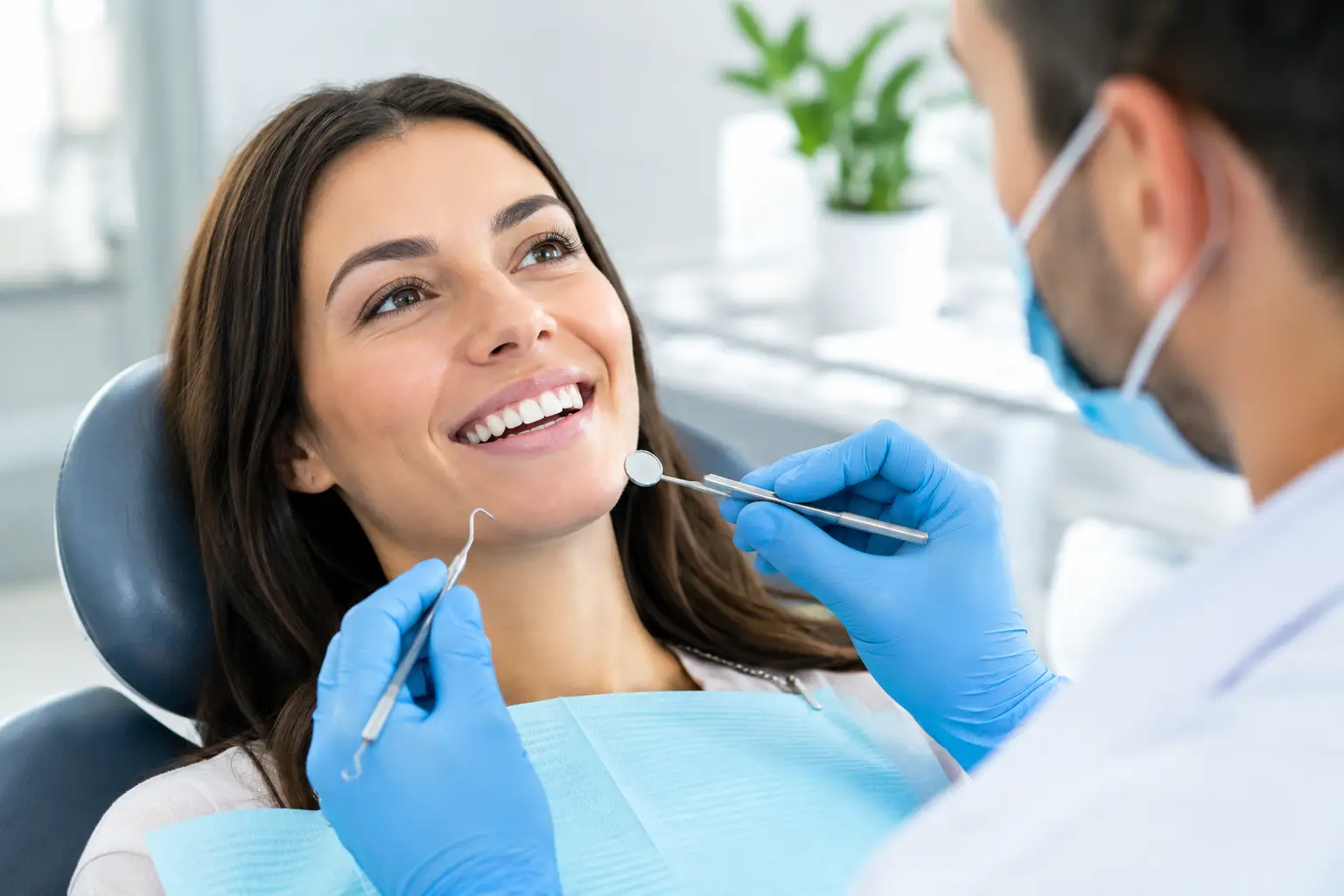
A personalized evaluation looks beyond the color or shape of a single tooth. Your dentist will consider the health of your gums, signs of decay, the condition of existing dental work, tooth alignment, and how your upper and lower teeth come together. Addressing active dental concerns first creates a healthier foundation for cosmetic treatment and helps protect the investment you make in your smile.
Many patients seek cosmetic care for discoloration, uneven spacing, crowding, chips, cracks, worn enamel, teeth that appear too short, or older restorations that no longer blend with nearby teeth. The goal is not perfection at any cost. It is a healthy, balanced smile that feels comfortable and authentic.
Fort Myers Cosmetic Dentistry Options to Consider
There is no single treatment that is right for every smile. Your goals, timeline, budget, dental health, and desired level of change all matter. A careful consultation helps clarify which approach makes sense for you.
Professional teeth whitening
Professional whitening can be a conservative option for teeth darkened by coffee, tea, wine, tobacco, aging, or certain foods. It does not reshape teeth or correct alignment, but it can create a noticeable improvement without altering natural tooth structure.
Whitening is not always the best first step. Crowns, veneers, fillings, and bonding will not lighten in the same way natural enamel does. If you are planning visible restorations, whitening first may allow your dentist to match the new work to your preferred tooth shade. Sensitivity is possible, especially for people with exposed root surfaces or existing sensitivity, so an individualized recommendation matters.
Veneers for shape, color, and symmetry
Veneers are thin custom coverings placed on the front surfaces of teeth. They can improve the appearance of discoloration that does not respond well to whitening, minor chips, uneven edges, small gaps, and irregular tooth shape.
Veneers can produce a dramatic refinement, but they are not a casual decision. Depending on the type of veneer and the clinical situation, some enamel preparation may be needed. They also require good daily hygiene and regular dental care. Patients who grind or clench may need a protective night guard to help safeguard their investment.
The most natural veneers are designed with restraint. They should reflect light in a lifelike way and suit the individual rather than looking overly uniform or excessively white.
Invisalign and Six Month Smile
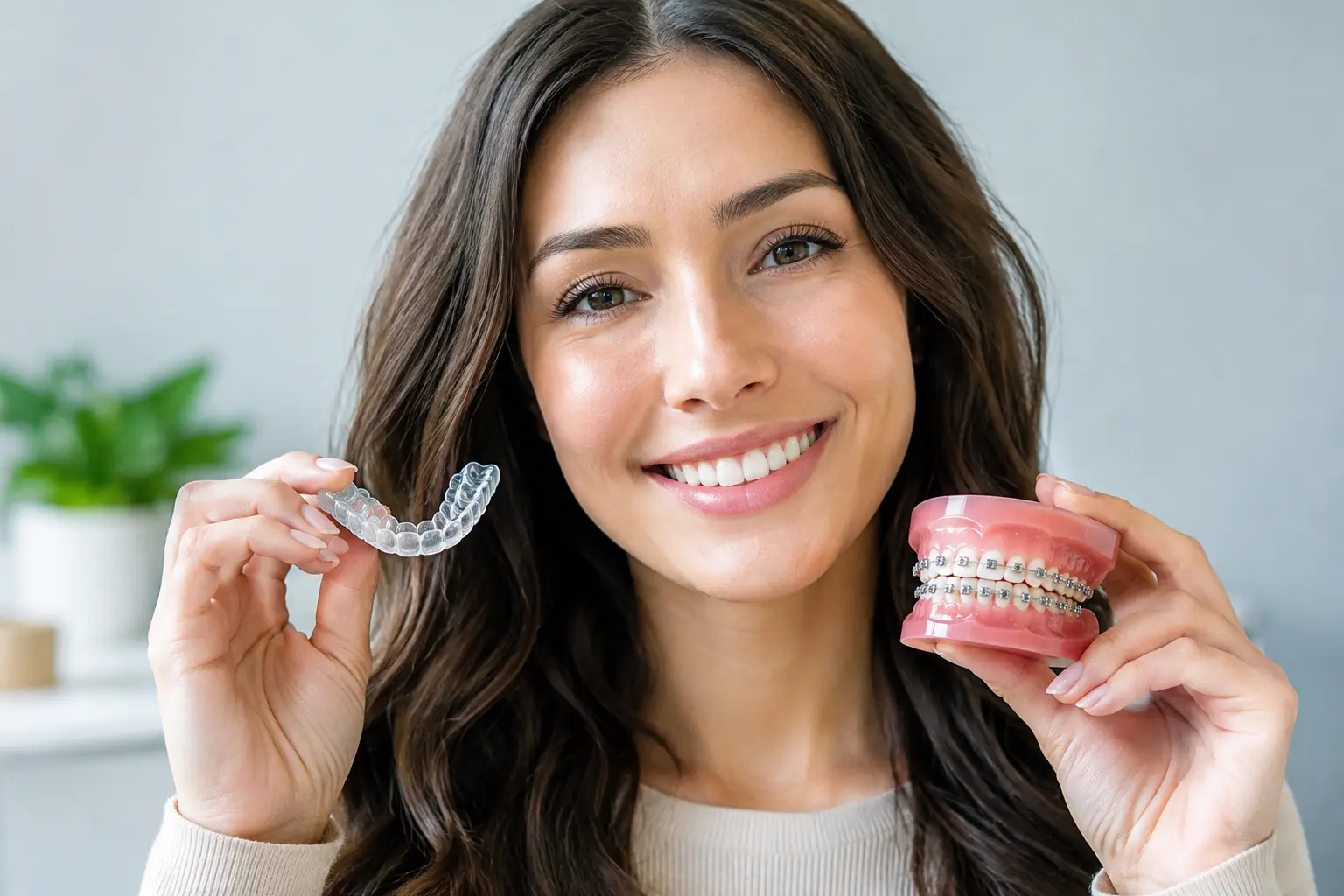
When alignment is the main concern, orthodontic treatment may be a more conservative path than covering healthy teeth. Invisalign uses clear aligners to gradually move teeth, making it a popular option for adults who prefer a discreet approach. Six Month Smile may be appropriate for certain patients focused on improving the appearance of the front teeth within a shorter treatment window.
Not every orthodontic system is right for every bite. Some movements are more complex, and treatment time varies based on the starting position of your teeth and how consistently aligners are worn. Straightening teeth can improve appearance, but it may also make daily cleaning easier and create better space for restorative treatment when needed.
Tooth-colored bonding, crowns, and bridges
Dental bonding can be a conservative solution for small chips, minor gaps, or uneven contours. It is often completed efficiently and can blend beautifully with natural enamel, although it may be more prone to staining or chipping over time than porcelain.
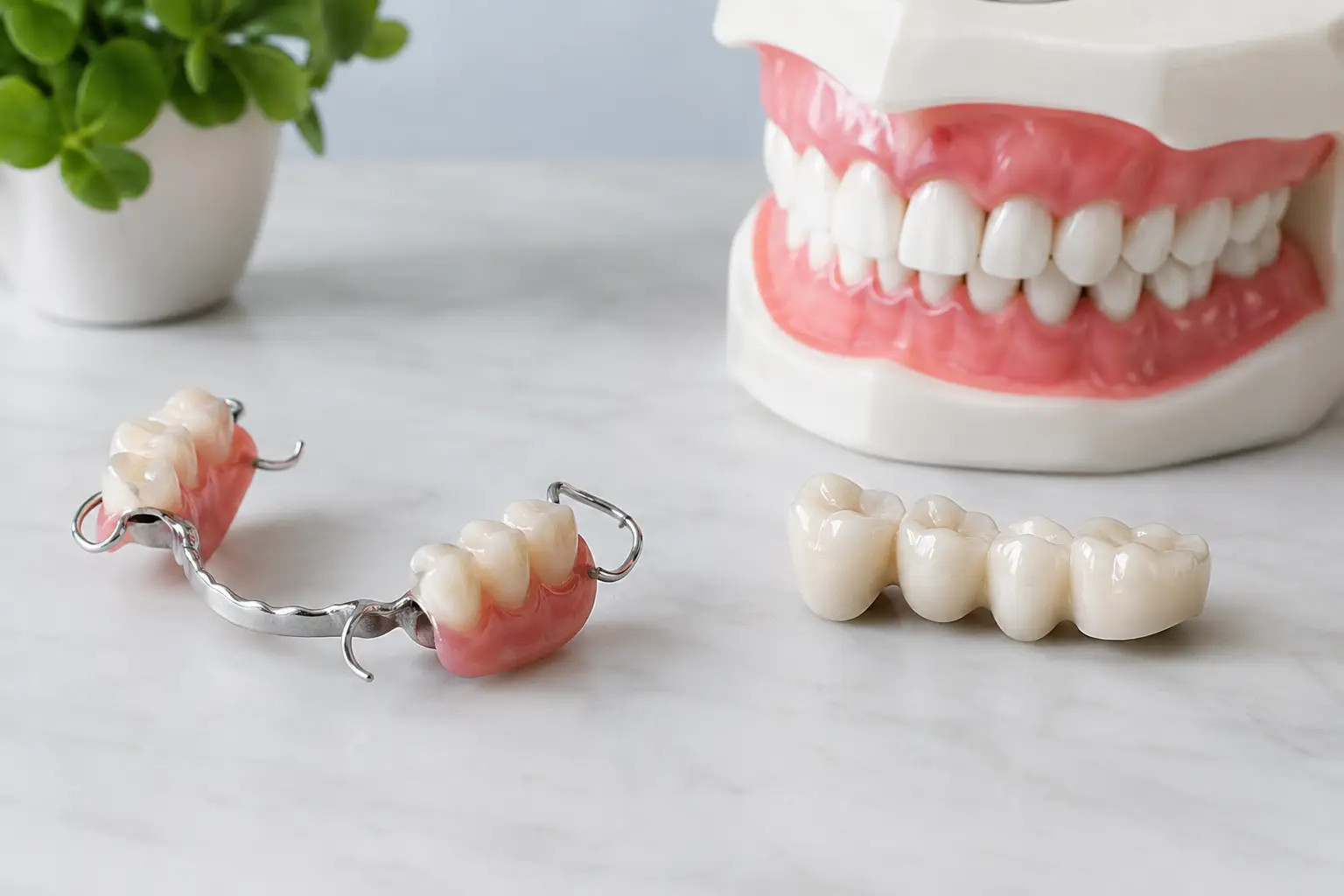
Crowns are often recommended when a tooth is significantly weakened, fractured, heavily filled, or treated with a root canal. A well-made crown restores strength while being designed to match the surrounding smile. Bridges can replace one or more missing teeth by filling the space with natural-looking replacement teeth supported by neighboring teeth.
These treatments are restorative as well as cosmetic. That distinction matters because the healthiest choice may be the one that first restores comfort, strength, and bite stability.
Dental implants for missing teeth
A missing tooth can affect speech, chewing, confidence, and the position of surrounding teeth. Dental implants replace the tooth root and can support a crown that is designed to look and function much like a natural tooth. They are a durable option for many patients, but candidacy depends on factors such as gum health, bone support, medical history, and healing needs.
Implant treatment takes planning and time. For patients who value a fixed replacement tooth and want to preserve the bone in the area, that timeline can be well worth it. Others may prefer a bridge or removable option based on their needs and goals.
A Comfortable Consultation Should Come First
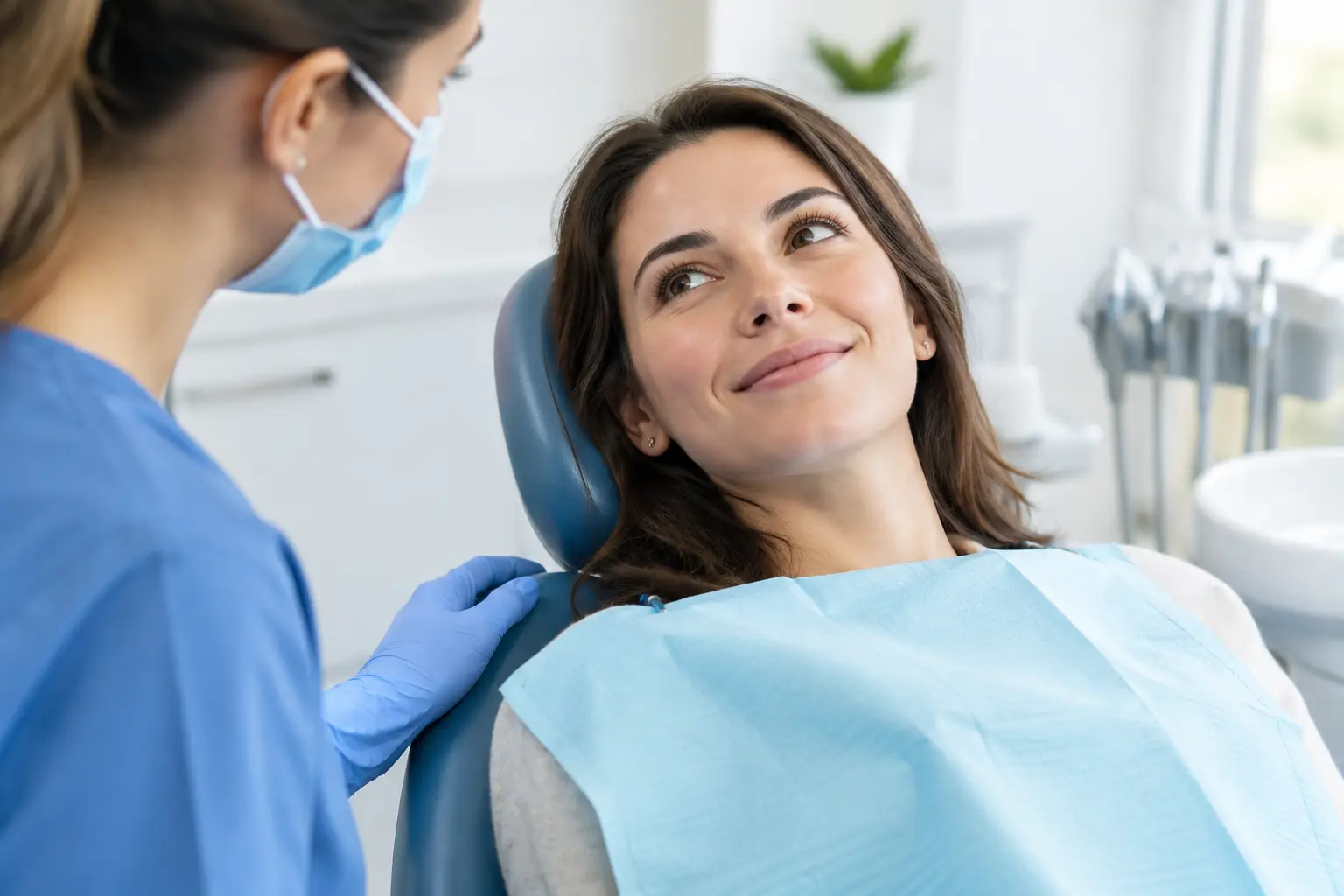
Cosmetic dentistry should never feel like a sales pitch. A meaningful consultation begins with your concerns: what you would like to change, what you already like about your smile, how quickly you hope to see results, and whether you have had difficult dental experiences in the past.
At Alliance Dental, patients can expect a conversation that connects cosmetic goals with the health of their teeth and gums. Dr. Spaska Malaric and the team take time to explain options in clear language, including what each treatment can reasonably achieve and where its limitations may be. This approach is especially reassuring if you have put off care because of dental anxiety or uncertainty about cost and treatment choices.
Good planning may include photographs, X-rays, an examination of the bite, and discussion of any jaw discomfort or clenching habits. For extensive changes, it may also involve reviewing the shape, shade, and proportion of proposed restorations before treatment begins. Asking questions is encouraged. You deserve to understand why a recommendation is being made and what ongoing care will involve.
How to Protect Your Cosmetic Results
A brighter or more balanced smile still needs routine care. Brushing twice daily with fluoride toothpaste, cleaning between teeth, and attending regular exams and cleanings help protect natural enamel, gum health, and cosmetic restorations.
Avoid using teeth to open packages or bite hard objects, particularly if you have veneers, bonding, or crowns. If you clench or grind, a custom mouth guard can reduce damaging pressure while you sleep. Coffee, red wine, and tobacco can stain teeth over time, but touch-up whitening and professional cleanings may help maintain a fresh appearance.
Just as important, do not ignore bleeding gums, tooth sensitivity, a loose restoration, or changes in your bite. Small concerns are generally easier to manage when addressed early.
A cosmetic treatment plan should leave you feeling more like yourself, not less. When your care is built around your health, comfort, and honest goals, a confident smile can become a quiet source of ease in everyday life.