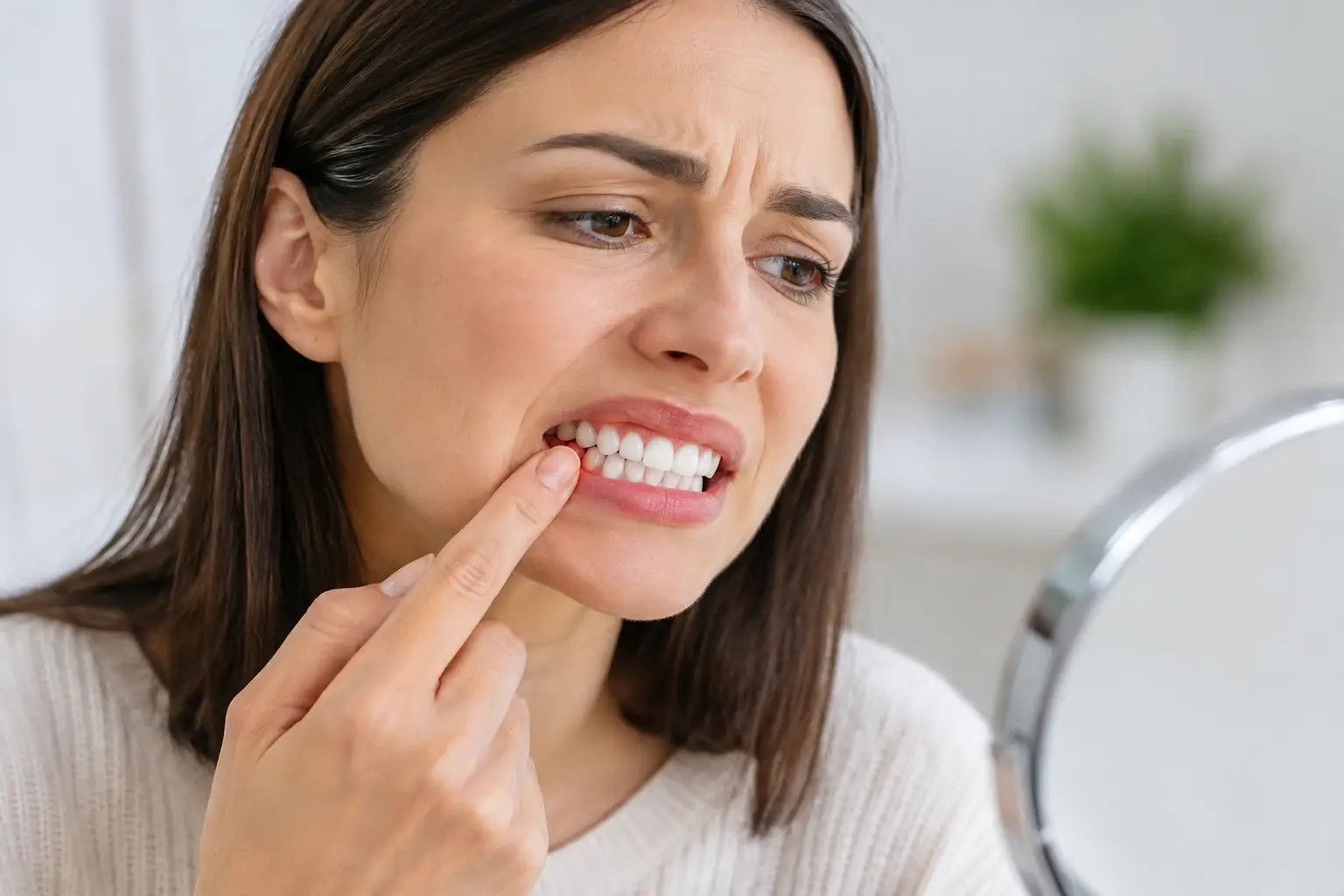
A missing molar may not be visible when you smile, but you can feel its absence every time you chew. Replacing missing molars can help restore comfortable eating, keep your bite more balanced, and reduce stress on the teeth that remain. Just as importantly, treatment can be planned around your health, preferences, timeline, and budget – without pressure or one-size-fits-all recommendations.
Why a Missing Molar Deserves Attention
Molars do much of the hard work in your mouth. Their broad chewing surfaces break down foods efficiently, which is why a missing back tooth can make crunchy vegetables, steak, nuts, and other everyday foods harder to enjoy. Many people gradually begin chewing on the opposite side without realizing it.
That adjustment can create other concerns over time. The teeth beside the empty space may lean toward it, while the tooth above it may begin to shift downward because it no longer has an opposing tooth. These changes can affect how your teeth meet, create areas that are more difficult to clean, and add uneven force to the jaw.
A missing molar does not always require the same response. Some patients have enough healthy teeth and a stable bite to consider their choices carefully, while others may benefit from acting sooner because of shifting, gum disease, bite changes, or difficulty eating. A thoughtful examination helps determine what makes sense for your particular smile.
Options for Replacing Missing Molars
Modern restorative dentistry offers several reliable ways to replace a molar. The right choice depends on factors such as the condition of nearby teeth, bone support, overall oral health, and how long the tooth has been missing.
Dental implants
A dental implant replaces the tooth root with a small post placed in the jawbone. After healing, a custom crown is attached to create a tooth that looks and functions much like a natural molar. Because an implant stands independently, it does not require support from the teeth on either side of the space.
For many patients, an implant is an appealing long-term option. It can provide strong chewing support and may help preserve bone in the area where the tooth was lost. It also allows the surrounding natural teeth to remain untouched.
Implant treatment does require a healthy foundation. Your dentist will assess bone level, gum health, medical history, and whether any infection or periodontal concerns need attention first. Healing time is part of the process, so implants are often a better fit for patients who can plan ahead rather than those seeking the fastest possible replacement.
Dental bridges
A bridge replaces a missing tooth by connecting a replacement tooth to crowns on the teeth beside the gap. It is fixed in place, meaning you do not remove it for cleaning. For patients with adjacent teeth that already need crowns because of large fillings, cracks, or significant wear, a bridge can be a practical and attractive solution.
The trade-off is that the neighboring teeth must be prepared to support the bridge. A bridge also does not replace the root below the gumline, so it does not offer the same bone-preserving benefit as an implant. Still, with good home care and regular dental visits, a well-designed bridge can restore chewing ability and confidence for many years.
Removable partial dentures
A removable partial denture can replace one or more missing teeth and is typically designed to rest comfortably around existing teeth. This option may be appropriate when several teeth are missing, when a patient is not a candidate for surgery, or when cost and timing are primary concerns.
Partial dentures have improved in comfort and appearance, but they may feel different from fixed options at first. They must be removed for cleaning, and they can require periodic adjustments as the mouth changes. For the right patient, they offer a conservative way to restore function while keeping future treatment possibilities open.
How We Choose the Right Treatment
The best treatment is not necessarily the most expensive option or the one that worked for someone else. It is the option that supports your health and fits your life. At Alliance Dental, that conversation begins by listening: What foods have become difficult to eat? Are you concerned about a visible gap, shifting teeth, or an appliance that feels uncomfortable? Do you have a specific timeline or budget concern?
Your dentist will then examine the area, assess the condition of surrounding teeth and gums, and take any necessary digital images. If a tooth was removed recently, the condition of the extraction site and available bone can help guide timing. If the tooth has been missing for years, a closer review of bone levels and bite alignment may be needed.
Your overall health also matters. Conditions such as uncontrolled diabetes, active gum disease, smoking, or certain medications can affect healing and may influence whether implant treatment is advisable right away. This does not automatically rule out an implant, but it makes planning and communication especially important.
What Happens if You Wait?
There is no single deadline for replacing a missing molar. Some people have a stable bite for a long time, while others notice changes sooner. However, waiting can make treatment more complex if nearby teeth drift, the opposing tooth shifts, or bone in the missing-tooth area gradually diminishes.
Waiting may also lead to subtle habits that affect comfort. Chewing almost entirely on one side can overload teeth that were not meant to do all the work. If those teeth have fillings, crowns, or cracks, extra pressure may increase their risk of damage.
If you are not ready to begin treatment immediately, a dental visit can still be worthwhile. You can learn what is happening in the area, understand the risks of delay for your smile, and create a plan that feels manageable. Clear information often makes a future decision much easier.
Caring for Your Restored Molar
A replacement tooth still needs daily attention. Brush twice a day with fluoride toothpaste and clean between teeth every day. With a bridge, that may include using a floss threader or another tool recommended by your dental team to clean beneath the replacement tooth. With an implant, gentle but thorough brushing around the gumline is essential to help protect the tissues that support it.
Regular checkups matter because your dentist can monitor the bite, gum health, crown or bridge condition, and the teeth around the restoration. If you grind or clench your teeth, a custom night guard may also help protect a new crown, bridge, or implant from excessive force.
Pay attention to changes such as soreness when biting, food trapping, bleeding gums, a loose restoration, or a bite that suddenly feels uneven. These concerns are often easier to address early, before discomfort becomes more significant.
A Comfortable Path Forward
The thought of dental treatment can feel overwhelming, especially if a tooth has been missing for a long time or a past experience left you anxious. You deserve care that is gentle, clear, and centered on your goals. Replacing a molar is not simply about filling an empty space. It is an opportunity to make eating easier, protect the balance of your smile, and move forward with greater comfort.