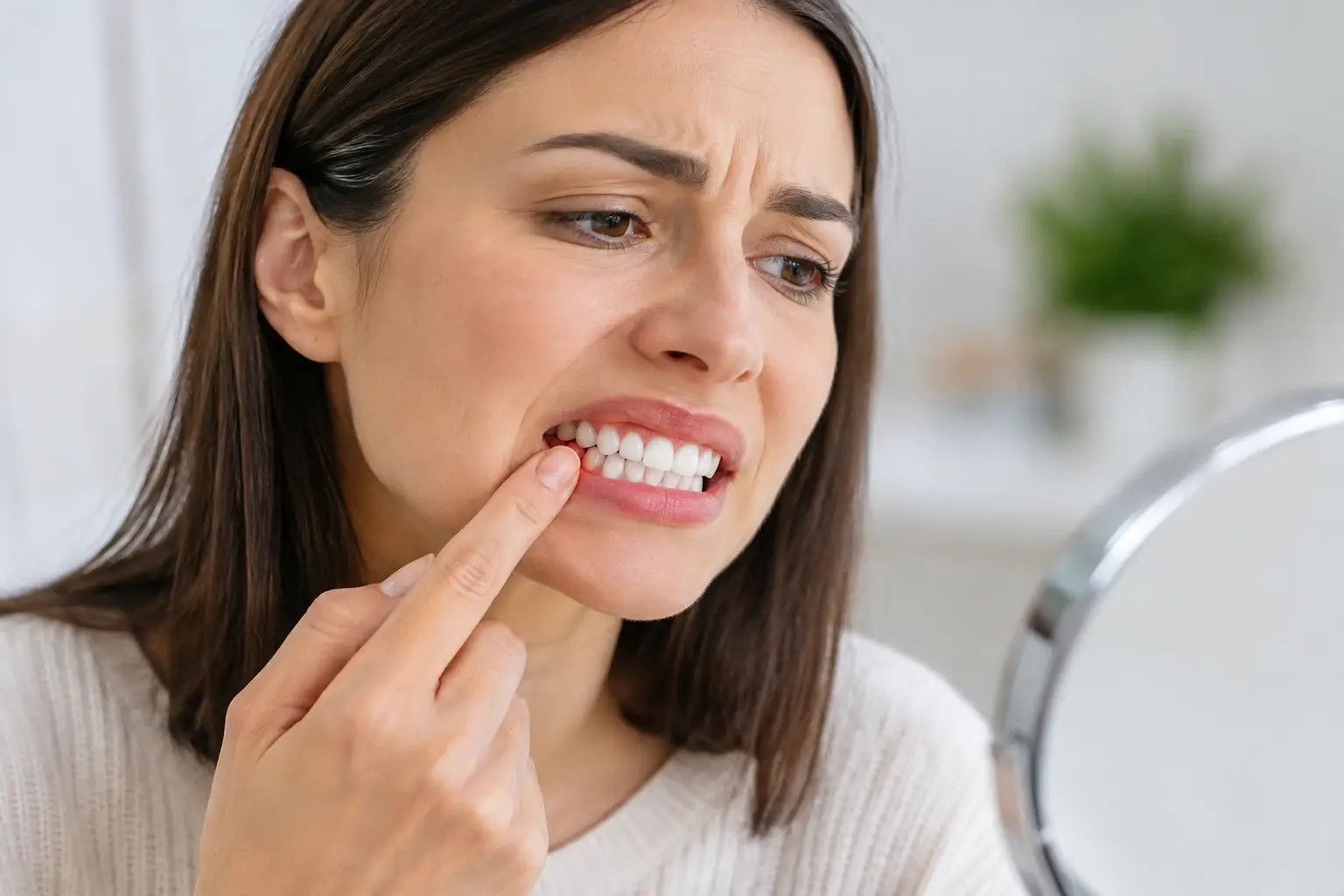
A tooth that suddenly looks longer, a notch near the gumline, or a sharp twinge when you sip something cold can be unsettling. Many patients ask, “Why do gums recede?” The answer is not always obvious, because gum recession can develop slowly and may have more than one cause. The encouraging news is that early evaluation can often stop further damage and make your smile more comfortable.
Gum recession occurs when the gum tissue around a tooth pulls back or wears away, exposing more of the tooth root. Unlike enamel, root surfaces are not designed to be exposed to the everyday forces of brushing, eating, and temperature changes. That is why recession can lead to sensitivity, a higher risk of root decay, and concerns about how the smile looks.
Why Do Gums Recede?
Receding gums are not simply a cosmetic issue. They can be a sign that the tissues supporting your teeth are under stress. A dental examination is the best way to identify the cause, because treatment should address the reason for the recession, not just its visible effects.
Gum disease and inflammation
Periodontal disease is one of the most common reasons gums recede. It begins when plaque bacteria collect along and below the gumline. If not removed consistently, the bacteria can cause inflammation, bleeding, and infection. Over time, that infection may damage the gum tissue and bone that hold teeth in place.
Gum disease is not always painful in its early stages. Some people notice bleeding when brushing or flossing, persistent bad breath, tenderness, or gums that appear puffy before they notice recession. Others have very little warning. Regular periodontal evaluations help uncover these changes before they become more difficult to manage.
Brushing too hard or using the wrong technique
Clean teeth matter, but more pressure does not mean a better clean. Aggressive horizontal brushing, especially with a firm-bristled toothbrush, can gradually wear away gum tissue near the tooth neck. This is more likely to affect the canines and premolars, though any tooth can be involved.
A soft-bristled brush and gentle, small motions at the gumline are usually the safer approach. An electric toothbrush with a pressure sensor can also be helpful for patients who tend to press too hard. During a visit, your dental team can demonstrate a technique that removes plaque without traumatizing delicate tissue.
Naturally thin gums or tooth position
Some people are simply more prone to recession because their gum tissue is thin, their teeth sit slightly outside the bony housing of the jaw, or their bone support is naturally narrow. Genetics can influence these features. In these cases, recession may occur even with excellent home care.
Crowding can also contribute. When a tooth is positioned too far forward, the gum and bone covering it may be thinner. Orthodontic treatment can sometimes improve tooth position, but it must be planned thoughtfully when gum tissue is already thin. The right option depends on your bite, bone levels, and the severity of recession.
Clenching, grinding, and bite stress
Clenching or grinding your teeth can place repeated force on teeth and their supporting tissues. It does not always cause recession by itself, but it can worsen existing problems, especially when combined with inflammation, thin tissue, or an uneven bite.
Signs of grinding may include jaw soreness, headaches, worn or chipped teeth, and tenderness around individual teeth. A custom oral appliance can protect teeth from nighttime grinding and help reduce strain. It is one part of a broader plan, not a substitute for treating gum disease or correcting brushing habits.
Tobacco use and other contributing factors
Smoking and other tobacco use increase the risk of periodontal disease and can reduce the body’s ability to heal. Tobacco may also mask bleeding, which means gum disease can progress without an obvious early signal. Quitting is one of the most meaningful steps a patient can take for gum health as well as overall health.
Hormonal changes, poorly controlled diabetes, certain medications that cause dry mouth, and oral piercings that repeatedly rub against the gums can contribute as well. A toothbrush alone cannot solve every cause of recession, which is why a full health history matters.
Signs That Receding Gums Need Attention
Recession does not grow back on its own. That does not mean every case needs surgery, but it does mean it deserves a professional assessment. Schedule a dental visit if you notice a tooth looking longer than it used to, new sensitivity to cold or sweets, exposed root surfaces, bleeding gums, changes in tooth position, or a small groove near the gumline.
Pain is not a reliable measure of severity. A painless recession area may still be vulnerable to decay or continued tissue loss. Your dentist can measure the recession, evaluate bone levels, check for periodontal pockets, and compare your findings over time. Those details make it possible to recommend care based on what your mouth truly needs.
How Dentists Treat Gum Recession
Treatment varies because the best plan depends on the cause, the location of the recession, and whether the condition is stable or progressing. For mild recession without active gum disease, the first goal may be prevention: gentler brushing, a softer brush, desensitizing toothpaste, fluoride treatment, and regular monitoring.
If plaque and tartar have collected below the gumline, periodontal treatment such as scaling and root planing may be recommended. This deeper cleaning removes bacterial deposits from root surfaces and allows inflamed gums to heal as much as possible. Follow-up visits are especially important because periodontal disease is a chronic condition that requires ongoing maintenance.
When an exposed root has a deep notch, sensitivity, or early decay, a tooth-colored restoration may protect the surface and improve comfort. In cases with more significant recession, a gum graft may be the right choice. Grafting uses tissue to cover or reinforce the recessed area, helping protect the root and improve the gumline’s appearance. Not every recession site is a candidate for complete root coverage, but strengthening thin tissue can still provide meaningful benefits.
If grinding or bite stress is part of the picture, a custom night guard or bite adjustment may be included in the plan. When teeth are crowded or poorly positioned, orthodontic consultation may also be appropriate. Thoughtful care considers the whole mouth rather than treating one symptom in isolation.
Can You Prevent More Gum Recession?
You cannot change every risk factor, particularly genetics or naturally thin gum tissue. You can, however, reduce the factors that are within your control. Brush twice a day with a soft toothbrush and light pressure, clean between teeth daily, attend routine cleanings, and follow the periodontal maintenance schedule your dentist recommends.
Be careful with online advice that suggests scrubbing harder to “strengthen” gums or using abrasive products to remove stains near the gumline. Exposed roots are more vulnerable than enamel. Gentle, consistent care is usually far more effective than forceful brushing.
If you use tobacco, have diabetes, notice nighttime grinding, or have avoided dental visits because of anxiety, sharing that information helps your dental team tailor care around your needs. At Alliance Dental, patients in Fort Myers can expect clear explanations and a gentle approach, whether the next step is a preventive cleaning, periodontal therapy, or a more advanced treatment recommendation.
A small change at the gumline is worth listening to. Rather than waiting for sensitivity or recession to worsen, schedule an evaluation and give your smile the attentive care it deserves.