A child’s first dental visit is often less about cleaning teeth and more about building trust. The sounds, chairs, lights, and unfamiliar faces can feel like a lot for a young child, especially if they are already tired, hungry, or unsure of what is happening. With a little preparation and a gentle dental team, this early appointment can help your child see dental care as a normal, comfortable part of growing up.
The American Academy of Pediatric Dentistry recommends scheduling a first visit by your child’s first birthday or within six months of the first tooth appearing. That may seem early, but baby teeth matter. They support eating, speech development, and space for permanent teeth. Early visits also give parents a chance to ask questions before a small concern becomes a painful problem.
When Should a Child Have Their First Dental Visit?
Many parents wait until a child is old enough for a traditional cleaning, but an early visit is valuable even when only a few teeth have erupted. At this stage, the dentist can check how teeth and jaws are developing, look for early signs of decay, and talk through practical habits such as brushing, fluoride, bottles, pacifiers, and thumb-sucking.
If your child is older and has not yet seen a dentist, there is no need to feel embarrassed or delay further. Scheduling now is a positive step. The goal is not to judge a family’s routines. It is to understand your child’s needs and create a plan that feels manageable for your household.
What Happens at a Child’s First Dental Visit?
The details depend on your child’s age, comfort level, and cooperation that day. A first appointment may be brief, especially for a toddler who needs time to adjust. A compassionate dental team will meet your child where they are rather than force an experience they are not ready for.
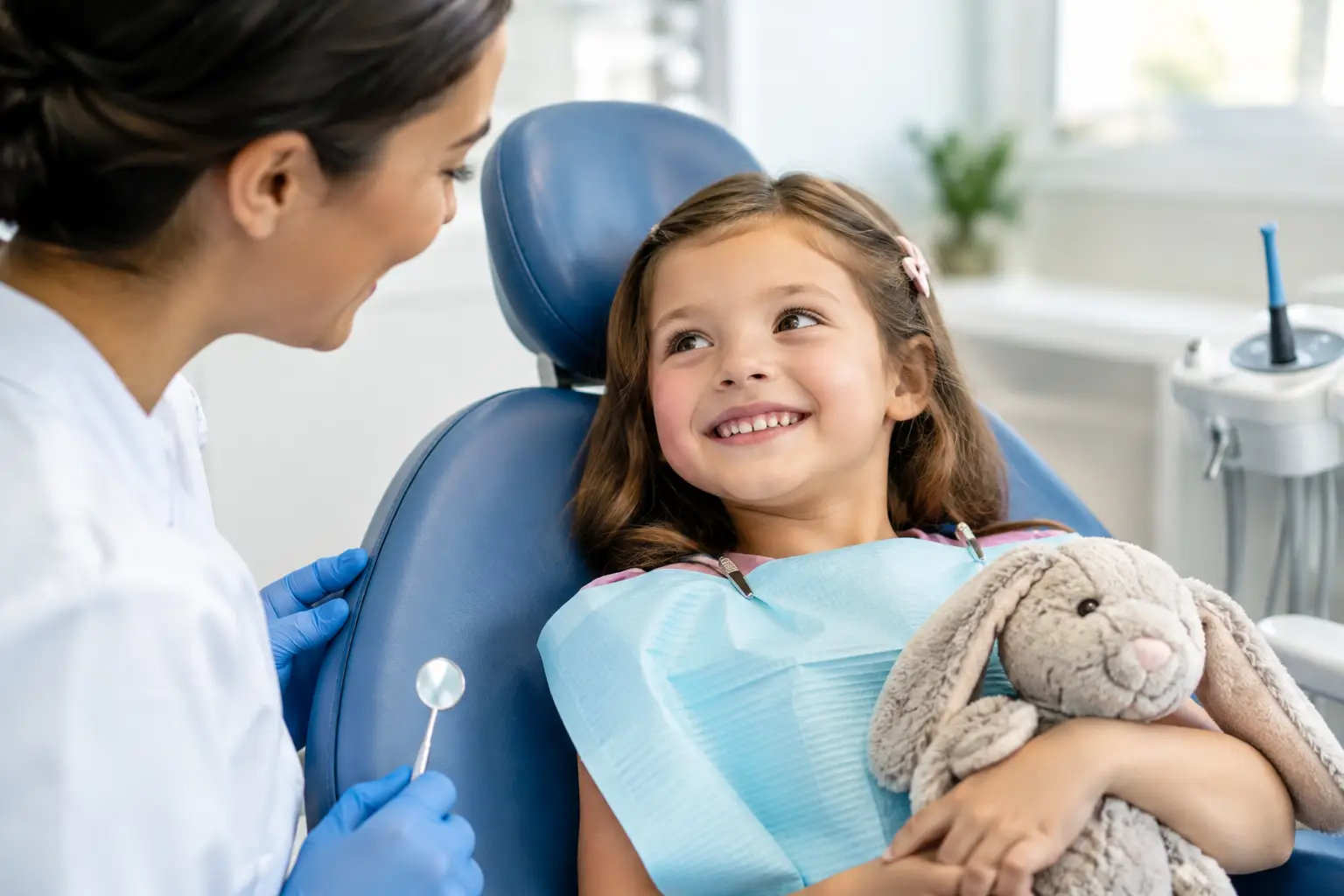
Often, the visit begins with conversation. The dentist or hygienist may introduce tools in simple, friendly language and let your child sit with a parent or take a ride in the dental chair. For very young children, an exam may happen while the child rests on a parent’s lap.
The dental team will typically examine the teeth, gums, bite, jaw development, and oral tissues. Depending on age and risk factors, the appointment may also include gentle cleaning, fluoride treatment, or a discussion about sealants for children with newly erupted permanent molars. X-rays are not automatically needed at every first visit. They are recommended only when they can provide useful clinical information, such as checking for decay between teeth or monitoring development.
Just as valuable is the parent conversation. You may discuss brushing technique, toothpaste amounts, diet, injury prevention, teething, and any concerns you have noticed. If your child has dental anxiety, sensory sensitivities, medical conditions, or a difficult past healthcare experience, sharing that information helps the team provide more personalized care.
How to Prepare for Your Child’s First Dental Visit
Your preparation does not need to be elaborate. Children often take emotional cues from the adults around them, so a calm, matter-of-fact approach can make a meaningful difference.
Choose the right time of day
Whenever possible, schedule the appointment when your child is usually rested and at their best. For many toddlers and preschoolers, that means avoiding naptime, late afternoon, or the stretch of time right before a meal. A hungry or overtired child is more likely to feel overwhelmed by even a friendly new experience.
Before you leave home, offer a light meal or snack unless the office has given different instructions. Brush your child’s teeth as usual, but do not worry about making them look perfect. The dental visit is there to help, not to test your parenting.
Keep your explanation simple and positive
Use calm, age-appropriate language. You might say, “The dentist is going to count your teeth and help us keep your smile healthy.” A favorite book or pretend play with a toothbrush can also make the idea feel familiar.
Avoid describing the visit with words that can create fear, such as “shot,” “drill,” “hurt,” or “pull.” Even if you mean well by promising, “It won’t hurt,” a child may begin to wonder why pain is part of the conversation. It is better to reassure them that the dentist will explain what is happening and that you will be nearby.
It also helps not to frame the appointment as a reward or consequence. Saying, “If you behave, you will get a treat,” can accidentally signal that the visit is something difficult to endure. Instead, present it as routine care, like a haircut or a checkup with their pediatrician.
Bring familiar comfort items
A small stuffed animal, blanket, or favorite toy can provide comfort in a new setting. Some children also respond well to bringing a water bottle or wearing comfortable clothes. If your child uses a communication device, headphones, or another supportive item, bring it along and let the dental team know what helps them feel secure.
For parents, bringing a short list of questions can be useful. Early childhood brings many oral health milestones, and it is easy to forget a concern once the appointment begins.
Questions Parents Often Have
Parents commonly ask whether thumb-sucking or pacifier use will affect teeth. The answer depends on the frequency, intensity, and duration of the habit. Many young children naturally stop on their own, while persistent habits may begin to influence tooth position or jaw development. Your dentist can help you understand when observation is appropriate and when gentle guidance may be helpful.
Diet is another frequent topic. Cavities are not caused only by candy. Frequent exposure to sugars and carbohydrates, including sweet drinks, juice, gummy snacks, crackers, and bedtime bottles, can raise cavity risk. Water between meals is generally the best choice for hydration, and brushing twice daily with a small amount of fluoride toothpaste helps protect developing teeth.
For children under 3, use a rice-grain-sized smear of fluoride toothpaste. From ages 3 to 6, a pea-sized amount is generally recommended. Young children need an adult to brush for them or closely supervise, since they do not yet have the hand skills to clean thoroughly on their own.
If Your Child Is Nervous or Refuses to Cooperate
A child does not need to sit perfectly still or smile through every moment for the visit to be successful. Crying, hesitation, clinging to a parent, or refusing to open their mouth can all be normal responses to a new environment. The first appointment may simply be an introduction, with more complete care completed at a later visit.
Try not to apologize for your child’s behavior. A dental team experienced in caring for families understands that trust takes time. Pushing a frightened child too hard can make future visits more difficult, while a patient approach can create a much better long-term relationship with dental care.
Parents can help by staying calm and following the team’s guidance. In some situations, a child does better when a parent remains close and quiet, allowing the dentist to build rapport directly. In others, a parent’s lap or hand-holding may be exactly what the child needs. There is no single right approach.
Building a Healthy Routine After the Visit
The most lasting benefit of an early dental appointment is the routine it creates. Regular visits let the dentist monitor changes as teeth erupt, identify concerns early, and help your child become familiar with the office before treatment is ever needed. Preventive care is generally simpler, more comfortable, and less costly than addressing advanced decay or infection.
At home, keep the message consistent: teeth are part of the body, and caring for them is something families do every day. Let your child choose a toothbrush color, take turns brushing a stuffed animal’s “teeth,” or use a short song to make brushing feel predictable. Small rituals often work better than repeated reminders.
At Alliance Dental, families in Fort Myers can expect a comfortable and friendly environment where questions are welcomed and each child is treated with patience. The right first experience can help your child carry confidence into every future visit – one healthy smile at a time.