A denture should help you enjoy a meal, speak naturally, and smile without second-guessing it. Yet many people who have lost several or all of their teeth worry about slipping, sore spots, or a treatment process that feels overwhelming. When considering implant supported versus traditional dentures, the right choice is rarely about which option is universally better. It is about your health, goals, budget, bone support, and the kind of daily experience you want from your new smile.
At Alliance Dental, these conversations begin with listening. A thoughtful examination and a clear discussion of your concerns can turn a big decision into a manageable path toward comfort and confidence.
How Traditional Dentures Work
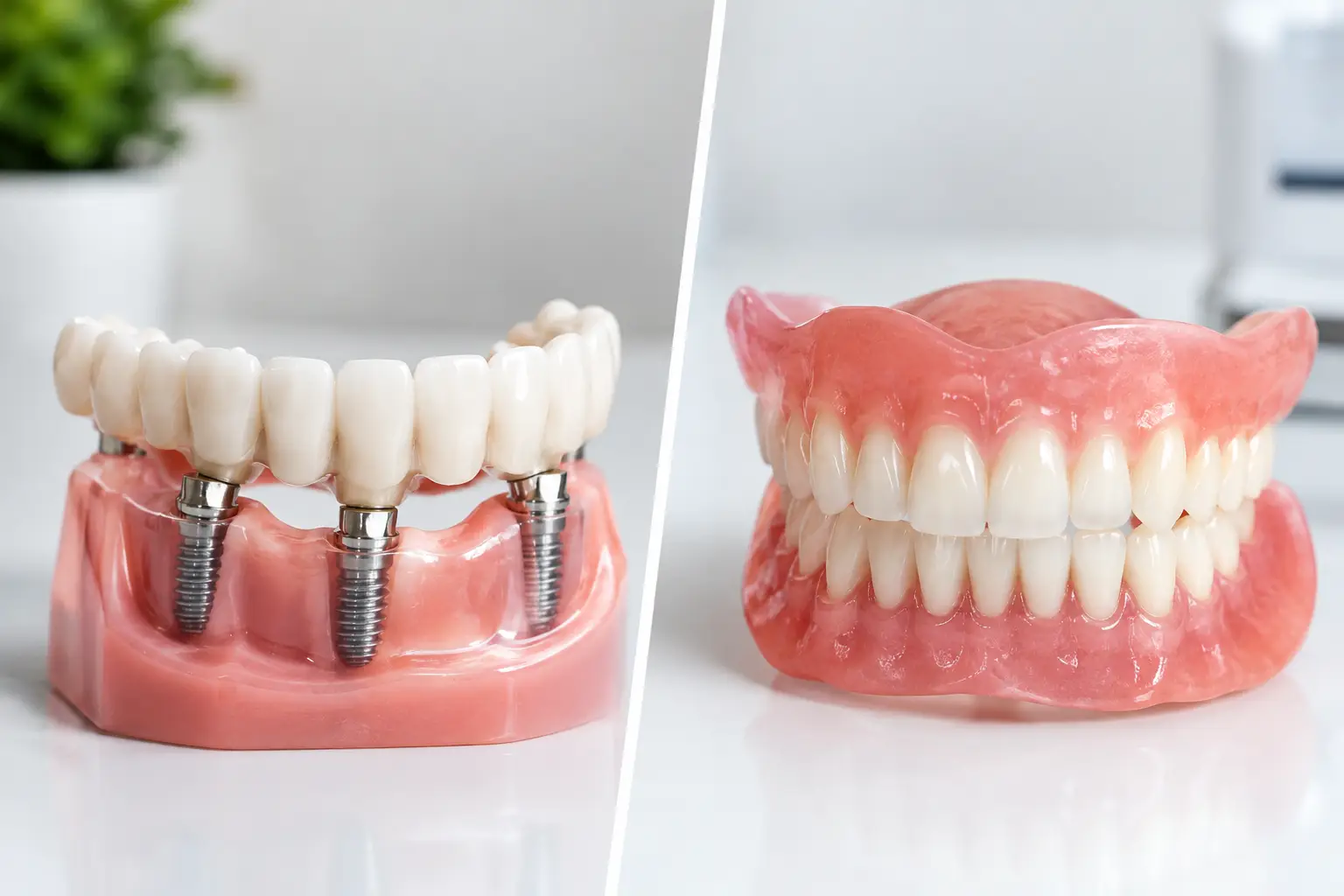
Traditional dentures are removable appliances designed to replace missing teeth and surrounding gum tissue. A full denture rests on the gums, while a partial denture fills gaps between remaining healthy teeth. Modern dentures can look remarkably natural, and they remain a reliable option for many patients.
For someone who needs to replace teeth promptly or prefers to avoid surgery, traditional dentures can be a practical starting point. They generally require fewer procedures and have a lower initial cost than implant-based treatment. If teeth must be removed, an immediate denture may sometimes be placed soon afterward so you are not left without teeth while your mouth heals.
The trade-off is that a removable denture depends on the shape of the gums and jawbone for stability. Denture adhesive can improve security for some people, particularly with lower dentures, but it does not create the same fixed foundation as implants. Over time, the jawbone naturally changes after tooth loss, and a denture may need adjustments, relining, or replacement to maintain a comfortable fit.
What Makes Implant-Supported Dentures Different?
Implant-supported dentures use dental implants, which are small posts placed in the jawbone, to hold a denture in position. Depending on your needs, the denture may snap onto implants for removal at home or be fixed in place and removed only by a dental professional for maintenance.
This added support can make a meaningful difference in everyday life. Rather than resting only on the gums, the denture is stabilized by implants. Many patients find that this reduces movement while speaking and eating, makes chewing feel more secure, and limits the rubbing that can lead to sore areas.
Implants also stimulate the jawbone in a way conventional dentures cannot. After teeth are lost, the body gradually resorbs bone that is no longer being used to support tooth roots. While implants do not eliminate every change associated with aging, they can help preserve bone in the areas where they are placed. That benefit may support facial structure and help maintain a more stable denture fit over time.
Removable and Fixed Options
Not every implant-supported denture is the same. An implant-retained overdenture is usually removable and clicks securely onto implants. It can offer a strong improvement in stability while still allowing straightforward cleaning outside the mouth.
A fixed full-arch implant bridge stays in place and is designed to feel more like natural teeth. It may appeal to patients who do not want to remove a denture at night. However, fixed treatment often involves more implants, more detailed planning, and a higher investment. Each option requires consistent home care and professional follow-up.
Implant Supported Versus Traditional Dentures: Daily Life
The most noticeable differences often appear in small moments. A traditional denture can restore appearance and function, but some patients remain cautious with foods that are sticky, hard, or difficult to chew. Speech may take a short adjustment period, and the lower denture can be especially challenging because the tongue and facial muscles move around it.
An implant-supported denture is typically more stable. That stability may allow a broader, more comfortable range of foods and reduce the worry that the denture will shift during conversation. It can also lessen the need for adhesive. Still, implants do not mean zero maintenance or an instantly perfect result. Your mouth needs time to heal, and it takes practice to adapt to any new restoration.
Traditional dentures require removal for daily cleaning and should be kept moist when not worn, according to your dentist’s instructions. Implant-supported dentures also need careful cleaning around the attachments, gum tissue, and implants. For fixed restorations, specialized brushes or flossing tools may be recommended. The healthiest long-term result comes from treating your replacement teeth with the same attention you would give natural teeth.
Candidacy, Healing, and Treatment Timing
Many adults are surprised to learn that age alone does not determine implant candidacy. General health, gum health, bone quantity and quality, medications, smoking or tobacco use, and the ability to maintain excellent oral hygiene all matter. A comprehensive exam, imaging, and review of your medical history are needed before a recommendation can be made.
If bone has been lost after years of missing teeth or denture wear, bone grafting may be considered before or during implant treatment. This can add time and cost, but it may create a stronger foundation. In other situations, existing bone is sufficient, or a treatment plan can be designed around the available anatomy.
Implant care is a process, not a single appointment. After implant placement, the bone must heal and integrate with the implants. Some patients may receive a temporary restoration during healing, while others may need to wait before receiving the final denture. The timeline varies, and an honest consultation should explain what applies to you rather than promising a one-size-fits-all schedule.
Comparing Cost With Long-Term Value
Traditional dentures usually cost less upfront because they do not involve implant surgery, surgical planning, or implant components. For patients with immediate financial constraints, that difference can be decisive. A well-made traditional denture can still provide an attractive, functional smile.
Implant-supported treatment requires a larger initial investment. The total can depend on the number of implants, whether extractions or grafting are needed, the type of denture selected, and the complexity of your case. It is reasonable to ask for a written treatment plan that explains each stage and anticipated cost.
Looking only at the initial price, however, may not tell the whole story. Conventional dentures commonly need relines as the gums and bone change, and they may be replaced after years of wear. Implant-supported dentures also require periodic maintenance, and components can wear over time. The value question is personal: how much do stability, chewing comfort, bone preservation, and convenience matter in your daily life?
How to Make a Confident Choice
The best choice is the one that respects both your clinical needs and your priorities. If you want a non-surgical, lower-cost way to replace teeth, traditional dentures may be an excellent fit. If denture movement has made you avoid favorite foods, feel self-conscious in social settings, or struggle with lower-denture stability, implants may be worth exploring.
Bring your real concerns to the conversation. Mention whether you are anxious about treatment, whether you have had sore spots with a previous denture, and what you hope to do more comfortably after treatment. Ask how the appliance will be cleaned, what future maintenance may involve, and what happens if your fit changes. Clear answers help you choose with confidence rather than pressure.
A comfortable smile is not simply about replacing missing teeth. It is about being able to laugh, eat, speak, and show up in your life with less worry. Whether your path leads to a traditional denture, an implant-supported option, or a phased plan that begins with one and moves toward the other, compassionate guidance can help you take the next step at a pace that feels right.