A brighter smile can change the way you feel before a family photo, a job interview, or a long-awaited dinner with friends. Yet whitening is not only about making teeth look lighter. The professional teeth whitening benefits many patients value most are the confidence of personalized care, more predictable results, and the reassurance that their smile is being considered as part of their overall dental health.
Store-bought whitening strips and pastes may seem convenient, but they are designed for a broad audience. Your teeth, gums, restorations, and sensitivity history are individual. Professional whitening begins with listening to your goals and evaluating what will help you achieve a naturally refreshed smile comfortably.
Professional Teeth Whitening Benefits for Your Smile
Professional whitening uses dentist-supervised techniques and professional-strength whitening materials to lift stains from natural tooth enamel. Coffee, tea, red wine, tobacco, aging, and certain foods can gradually leave teeth looking dull or yellow. A professional approach can brighten the smile more evenly than many over-the-counter options while giving your dental team the opportunity to plan around your specific needs.
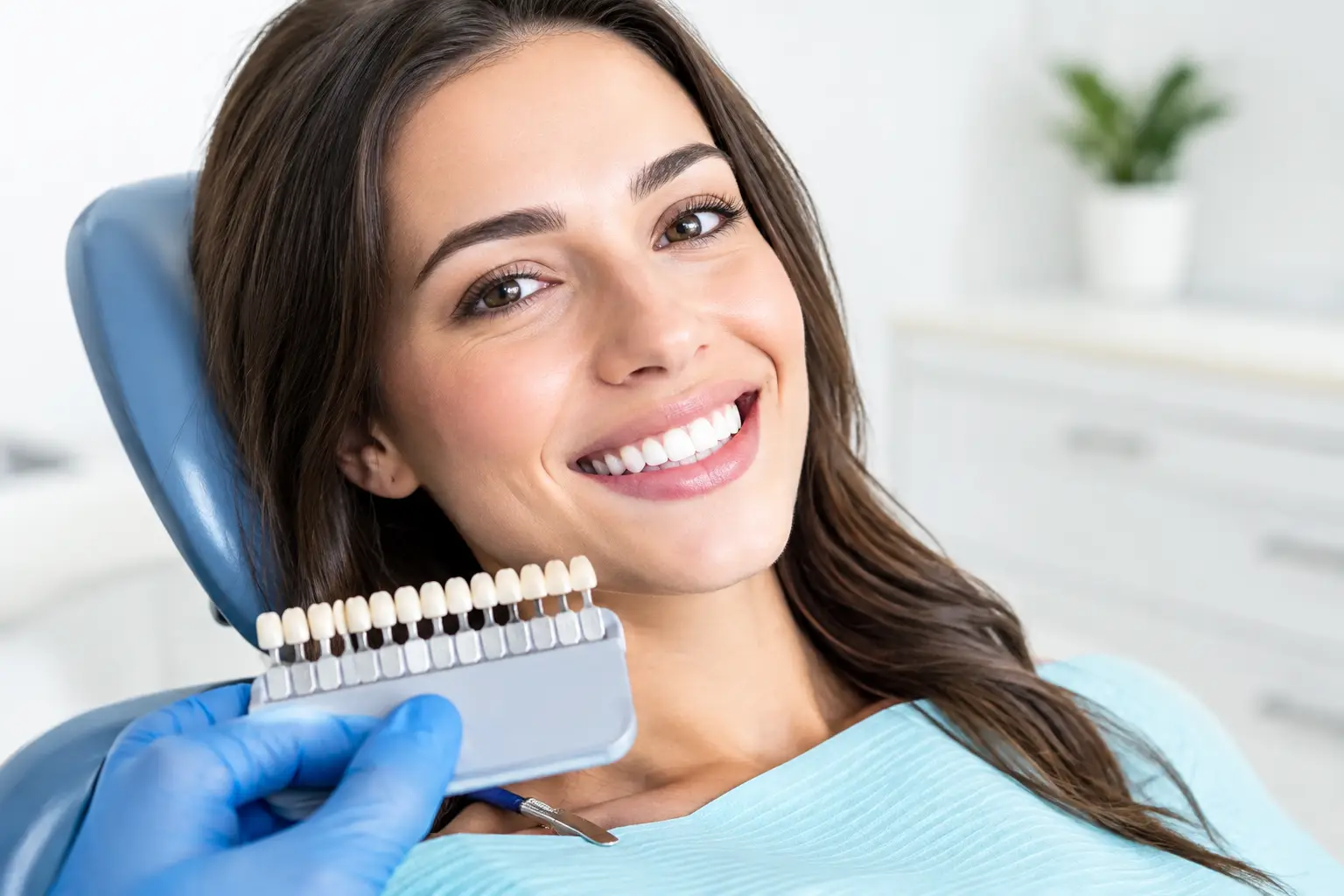
One of the biggest benefits is predictability. Before treatment, your dentist can discuss the starting shade of your teeth, the type of discoloration present, and what kind of improvement is realistic. This matters because not all stains respond in the same way. Yellow-toned surface staining often responds well to whitening, while gray discoloration, staining related to certain medications, or changes inside a tooth may require a different cosmetic solution.
Professional care also helps protect your comfort. Whitening can cause temporary tooth sensitivity for some people, particularly when products are used too often or left on too long. A dentist can recommend an approach that accounts for sensitive teeth, exposed root surfaces, gum recession, or existing dental work. Sometimes a shorter treatment time, a different formula, or a gradual plan makes a meaningful difference.
A Brighter Smile With Personalized Guidance
Whitening is most successful when it starts with a healthy foundation. If plaque, tartar, cavities, gum inflammation, or a cracked tooth are present, those concerns should be addressed first. Whitening products are not a substitute for a cleaning or exam, and they cannot treat the cause of tooth pain or gum bleeding.
During a professional consultation, your dentist can check for concerns that may affect your results or comfort. This allows you to move forward with a clear plan rather than guessing which product might work best. For patients who feel nervous about dental treatment, that conversation can be especially reassuring. You deserve to understand what is being recommended, why it is appropriate, and what to expect along the way.
Professional whitening can also be tailored to your timeline. Some patients want a brighter smile before a wedding, reunion, graduation, or vacation. Others prefer gradual improvement at home with guidance from their dental team. The right option depends on your starting shade, desired result, sensitivity level, and schedule. A thoughtful plan is more valuable than a one-size-fits-all promise of instant results.
More Even Results Than Generic Products
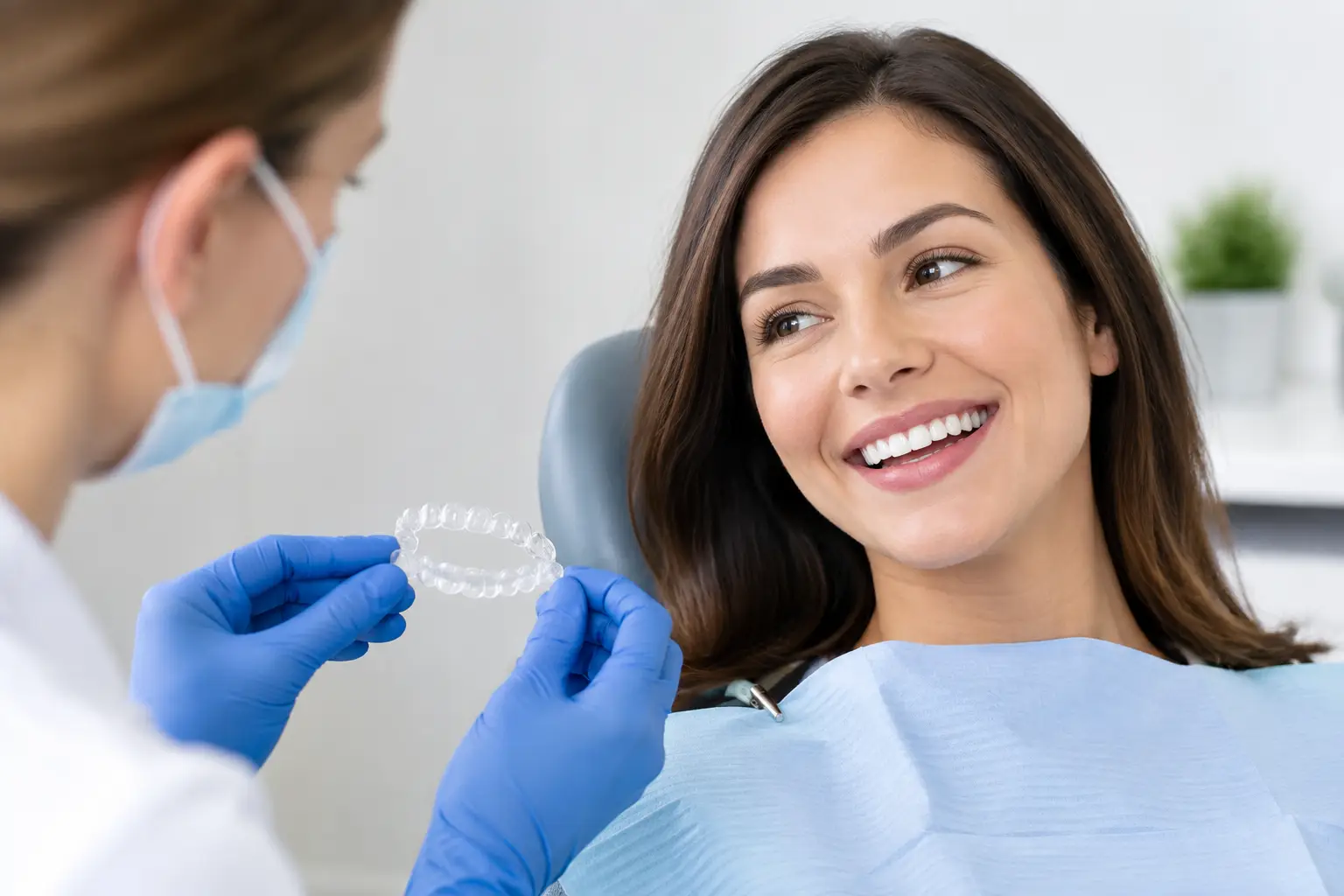
Whitening strips may not fully reach every contour of every tooth, especially if teeth are rotated, crowded, or shaped differently. Professionally made trays are designed to fit your smile more closely, helping whitening gel contact the tooth surfaces more consistently. This can support a more even-looking result and reduce the chance of gel spreading onto sensitive gum tissue.
Professional treatment also gives you a trusted point of contact if you have questions. If sensitivity develops or you are unsure whether to continue, you do not have to figure it out alone. Small adjustments can help keep treatment comfortable and on track.
A Natural-Looking Improvement
The goal of whitening is not necessarily to create an unnaturally bright smile. Many patients simply want to look more refreshed, healthy, and confident. Your dentist can help you choose a result that complements your complexion, facial features, and personal preferences.
A natural-looking outcome is particularly important if you have crowns, veneers, fillings, bonding, or implants in visible areas. Whitening changes natural tooth enamel, but it does not lighten porcelain, composite resin, or other restorative materials. If a front crown or veneer no longer matches after whitening, replacing it may be considered after your desired tooth shade has been reached. Planning the sequence carefully can help avoid mismatched colors and unnecessary expense.
What Whitening Can and Cannot Do
Professional teeth whitening is highly effective for many common types of external staining, but it has limits. Being open about those limits is part of good dental care.
Whitening will not remove tartar, repair worn enamel, close gaps, straighten teeth, or change the color of existing restorations. It may also be less effective for deep internal discoloration. In those situations, your dentist may discuss alternatives such as bonding, veneers, or a crown, depending on the health and appearance of the tooth.
It is also wise to pause before whitening if you have untreated decay, active gum disease, significant tooth sensitivity, or pain of any kind. These conditions do not mean a brighter smile is out of reach. They simply mean your comfort and oral health should come first. Once your teeth and gums are stable, whitening may become a safer and more rewarding option.
Keeping Your Results Looking Their Best
Whitening results are not permanent because daily life continues to expose teeth to staining foods and drinks. The good news is that maintaining a brighter smile is usually simpler than starting from the beginning. Regular cleanings remove surface buildup, and good brushing and flossing habits support both appearance and oral health.
For the first day or two after whitening, your dental team may suggest limiting deeply colored foods and beverages such as coffee, red wine, dark berries, tomato sauce, and cola. After that, moderation and rinsing with water after staining drinks can help. Using a straw for iced coffee or tea may also reduce contact with the front surfaces of teeth.
If you drink coffee every morning, you do not necessarily need to give it up to enjoy whitening. Your routine can be realistic. Periodic touch-ups, recommended according to your treatment plan, can help maintain your preferred shade without overdoing it. Avoid using whitening products more often than advised, since excessive use can lead to sensitivity or uneven results.
When a Professional Conversation Is Worth It
A whitening consultation can be useful even if you are unsure whether you are ready for treatment. Perhaps your smile looks dull in photos, you have noticed uneven color around older dental work, or you have tried drugstore products without seeing much change. A dentist can help identify the likely cause and explain your options with no pressure to pursue a treatment that does not fit your needs.
At Alliance Dental, whitening is approached as a personal cosmetic choice within a broader commitment to healthy, comfortable smiles. For patients in Fort Myers and nearby communities, that means having a dental team that considers sensitivity, existing restorations, and long-term oral health alongside the shade you hope to achieve.
A brighter smile should feel like you, only more confident. When whitening is guided by a dental professional who understands your goals and protects your comfort, you can make that change with clarity, care, and a smile you are happy to share.