A tooth that suddenly hurts when you bite, keeps you awake, or feels loose can make every meal feel uncertain. Patients often ask, “when is tooth extraction necessary?” The answer is rarely based on discomfort alone. At Alliance Dental, the first goal is always to evaluate whether the natural tooth can be treated and preserved safely. Extraction becomes the right recommendation when keeping the tooth would threaten your comfort, oral health, or the success of nearby treatment.
A careful exam, digital imaging, and a conversation about your symptoms help determine the best path forward. In many cases, a filling, crown, root canal, or periodontal treatment can protect a tooth for years. When those options cannot provide a healthy, predictable result, removing the tooth may be the gentlest choice for your long-term smile.
When is tooth extraction necessary for a damaged tooth?
Severe decay is one of the most common reasons a tooth may need to be removed. Small or moderate cavities can often be repaired with a tooth-colored filling. If decay reaches deep into the tooth, a root canal and crown may still save it. But when decay has destroyed too much structure below the gumline or left too little healthy tooth for a restoration to hold, an extraction may be more reliable than repeated repairs.
A badly fractured tooth may also be beyond repair. A chip in the visible portion of a tooth is often treatable. A crack that extends into the root, however, can allow bacteria to enter and may cause ongoing pain or infection. Some cracks are difficult to see without imaging and close clinical evaluation, especially when pain comes and goes during chewing.
Infection is another situation that deserves prompt attention. A dental abscess can cause swelling, throbbing pain, a bad taste, fever, or tenderness in the jaw. Root canal treatment is often an excellent way to remove infection while preserving the tooth. Extraction may be recommended if the infection cannot be effectively treated, the tooth is too damaged to restore, or previous treatment has not resolved the problem.
Advanced gum disease can affect the foundation of a tooth
Teeth rely on healthy gums and supporting bone to stay stable. Periodontal disease gradually damages that support, sometimes with very little pain. As the condition advances, teeth may become loose, shift position, or feel uncomfortable when chewing.
Periodontal care can often slow or stabilize gum disease and help retain natural teeth. Still, a tooth with severe bone loss may not have a dependable foundation. In that circumstance, extraction can prevent recurrent infection and make it possible to plan a more stable replacement. The decision depends on the amount of bone support remaining, the tooth’s mobility, your overall gum health, and how the tooth affects your bite.
Impacted or problematic wisdom teeth may need removal
Wisdom teeth do not always need to be extracted. If they erupt fully, can be cleaned well, have healthy gums around them, and do not harm neighboring teeth, monitoring may be appropriate.
Problems arise when a wisdom tooth is trapped under the gums or bone, grows in at an angle, repeatedly becomes inflamed, develops decay that cannot be properly treated, or damages the tooth in front of it. An impacted wisdom tooth may cause jaw pain, swelling, recurrent gum infections, or a cyst around the tooth. Removing it before complications become more extensive can protect surrounding teeth and make recovery easier.
Extraction may also be part of an orthodontic plan in select cases, although it is never a routine shortcut. When teeth are severely crowded or a tooth blocks another from erupting properly, your dentist and orthodontic provider will consider whether creating space is necessary for a healthy, balanced result.
A tooth may be removed to protect overall health
Some dental situations require special timing and coordination with your medical care. For example, a tooth with active infection may need treatment before certain surgeries, organ transplants, or therapies that can affect healing or immune function. Patients taking blood thinners, osteoporosis medications, or medications that suppress the immune system need personalized planning before an extraction.
Let your dentist know about every medication, supplement, medical condition, and past reaction to anesthesia. This information does not automatically mean a tooth cannot be removed. It helps your dental team make the procedure as safe and comfortable as possible.
For children, baby teeth are usually allowed to fall out naturally. Occasionally, a primary tooth remains in place too long and prevents an adult tooth from erupting, or it is severely decayed or infected. In those cases, extraction may support healthy development. A child’s age, dental growth, and the status of the developing adult tooth all matter when making that decision.
When extraction is not the first choice
Hearing that a tooth may need to come out can be emotional, particularly if you are already nervous about dental treatment. It helps to know that extraction is not automatically the answer for a painful tooth.
Dentists can frequently preserve teeth with fillings, crowns, root canal treatment, gum therapy, or repair of a fractured restoration. Saving a natural tooth is generally preferred when it has a reasonable long-term prognosis. The trade-off is that a tooth can sometimes be technically treatable but still have a guarded outlook due to extensive cracks, repeated infection, advanced bone loss, or the cost and complexity of several procedures.
An honest recommendation should explain both sides: what it would take to save the tooth, how long that result may be expected to last, and what removal and replacement would involve. You deserve time to ask questions and understand why one path may better support your health.
What to expect during a tooth extraction
Modern extractions are typically more comfortable than many patients expect. Before treatment, the area is numbed thoroughly. Depending on the tooth’s condition and position, removal may be a simple extraction or a surgical extraction that requires a small incision and, sometimes, sectioning the tooth into smaller pieces.
You should feel pressure, but you should not feel sharp pain. If you do, let the dental team know right away. A gentle, unhurried approach and clear communication can make a meaningful difference, especially for patients with dental anxiety.
Afterward, a blood clot forms in the socket and begins the healing process. Mild soreness, swelling, and minor bleeding are common for the first day or two. Follow your post-treatment instructions closely: bite on gauze as directed, rest, choose soft foods, avoid smoking and straws, and keep the area clean without disturbing the clot. Smoking, vaping, or vigorous rinsing can increase the risk of dry socket, a painful condition in which the clot is lost too early.
Call your dental office if bleeding will not slow, pain becomes worse after a few days, swelling increases, you develop fever, or you have trouble swallowing or breathing. Those symptoms deserve prompt guidance.
Replacing an extracted tooth matters in many cases
Not every extracted tooth needs to be replaced. Wisdom teeth, for example, usually do not. But when a visible tooth or a tooth used for chewing is removed, leaving the space untreated can allow nearby teeth to drift. Over time, this may affect chewing, speech, bite alignment, and the appearance of your smile. Bone in the area can also shrink after tooth loss.
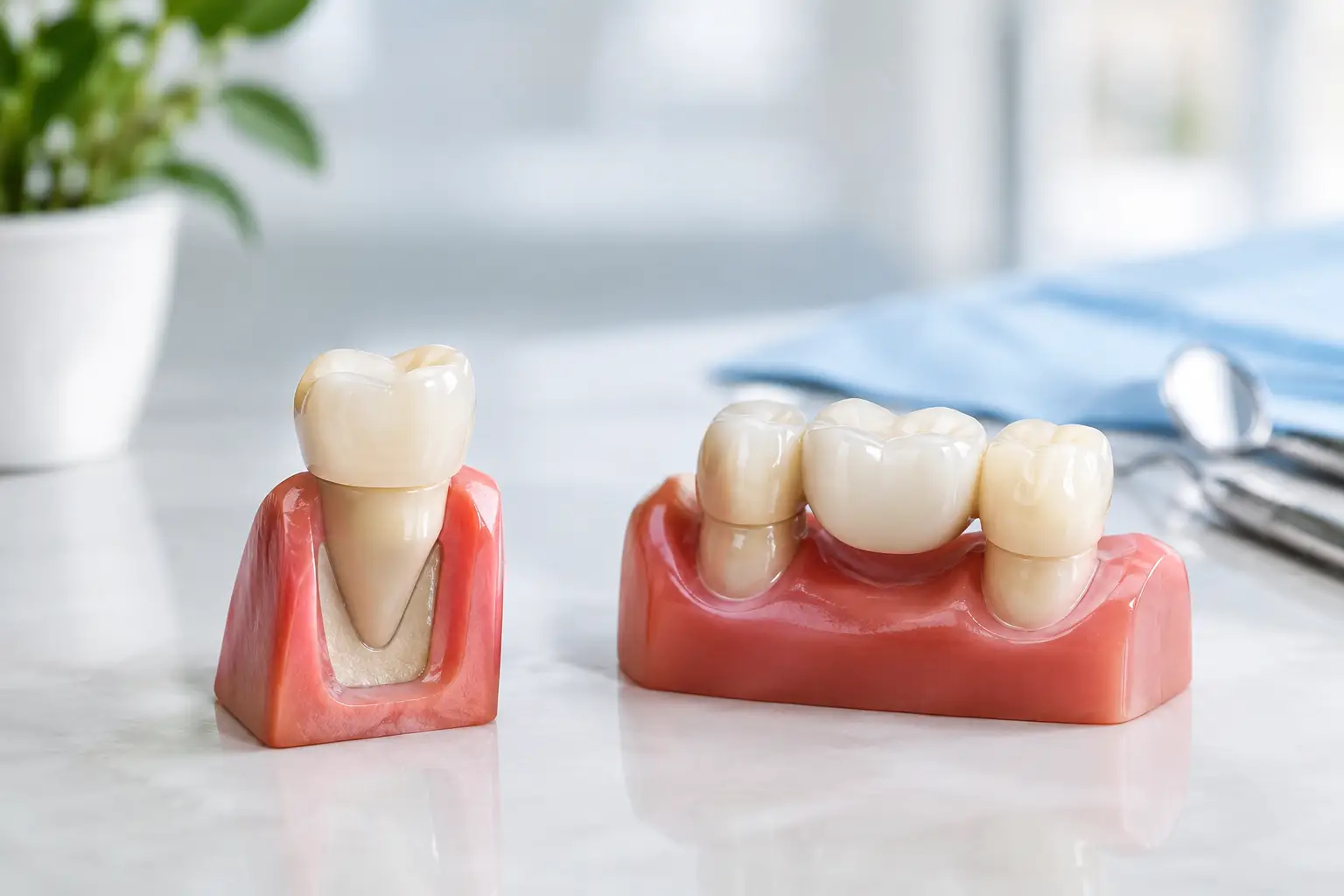
Depending on your needs, replacement options may include a dental implant, bridge, or partial denture. Dental implants can replace both the tooth root and crown, helping support the bone and providing a natural-feeling option for many patients. A bridge can be a practical choice when adjacent teeth already need crowns. The best option depends on the location of the missing tooth, bone and gum health, budget, timeline, and your overall treatment goals.
If an extraction is recommended, it does not mean you have failed your smile. It means your care team is looking beyond the immediate problem toward a healthier, more comfortable future. A thoughtful evaluation and a clear plan for healing and replacement can help you move forward with confidence.