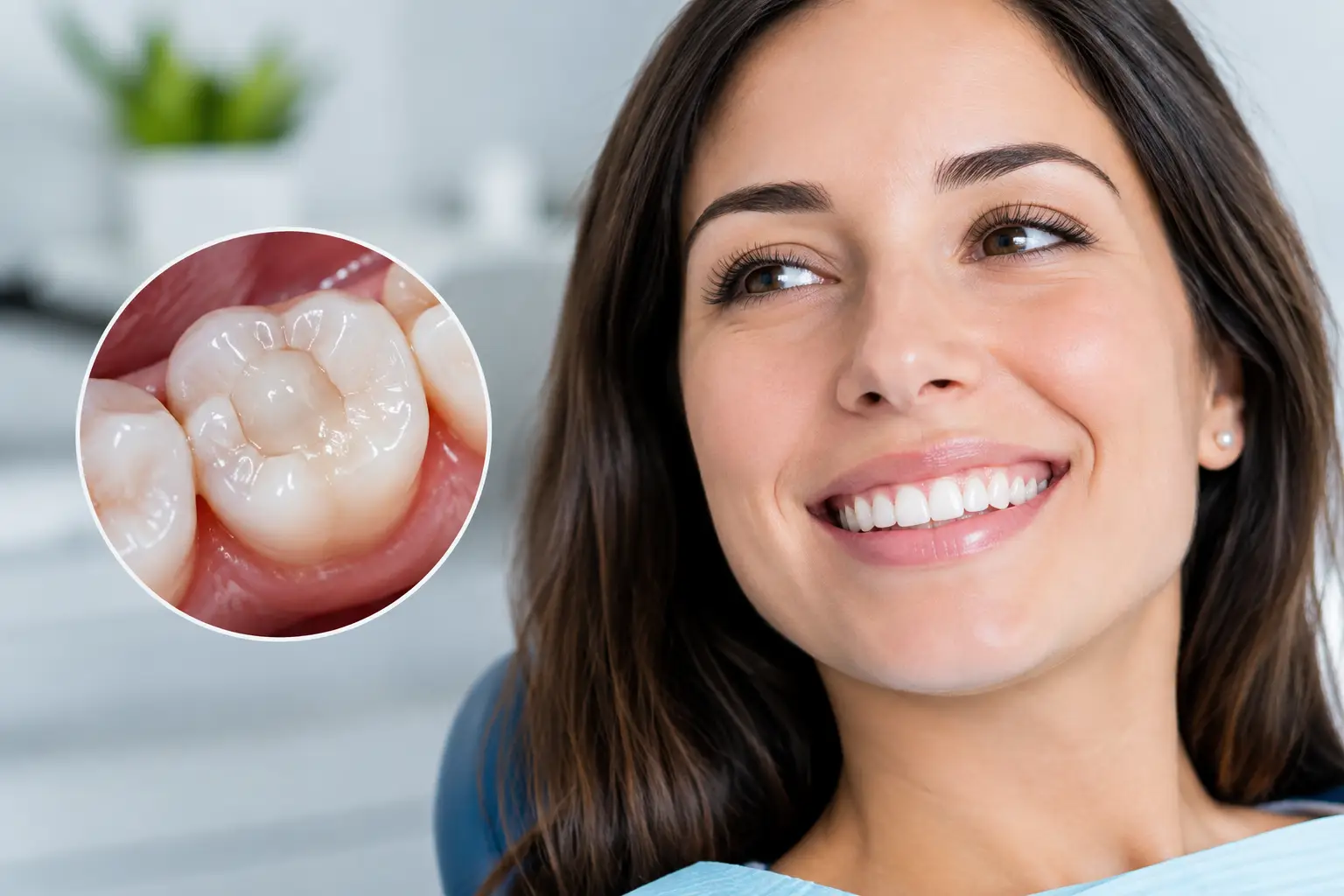
A cracked tooth can make every bite feel uncertain. A gap left by a missing tooth can change the way you chew, speak, and feel when you smile. When comparing a dental crown versus bridge, the right choice depends less on which restoration is “better” and more on what your mouth needs now and what will support your long-term oral health.
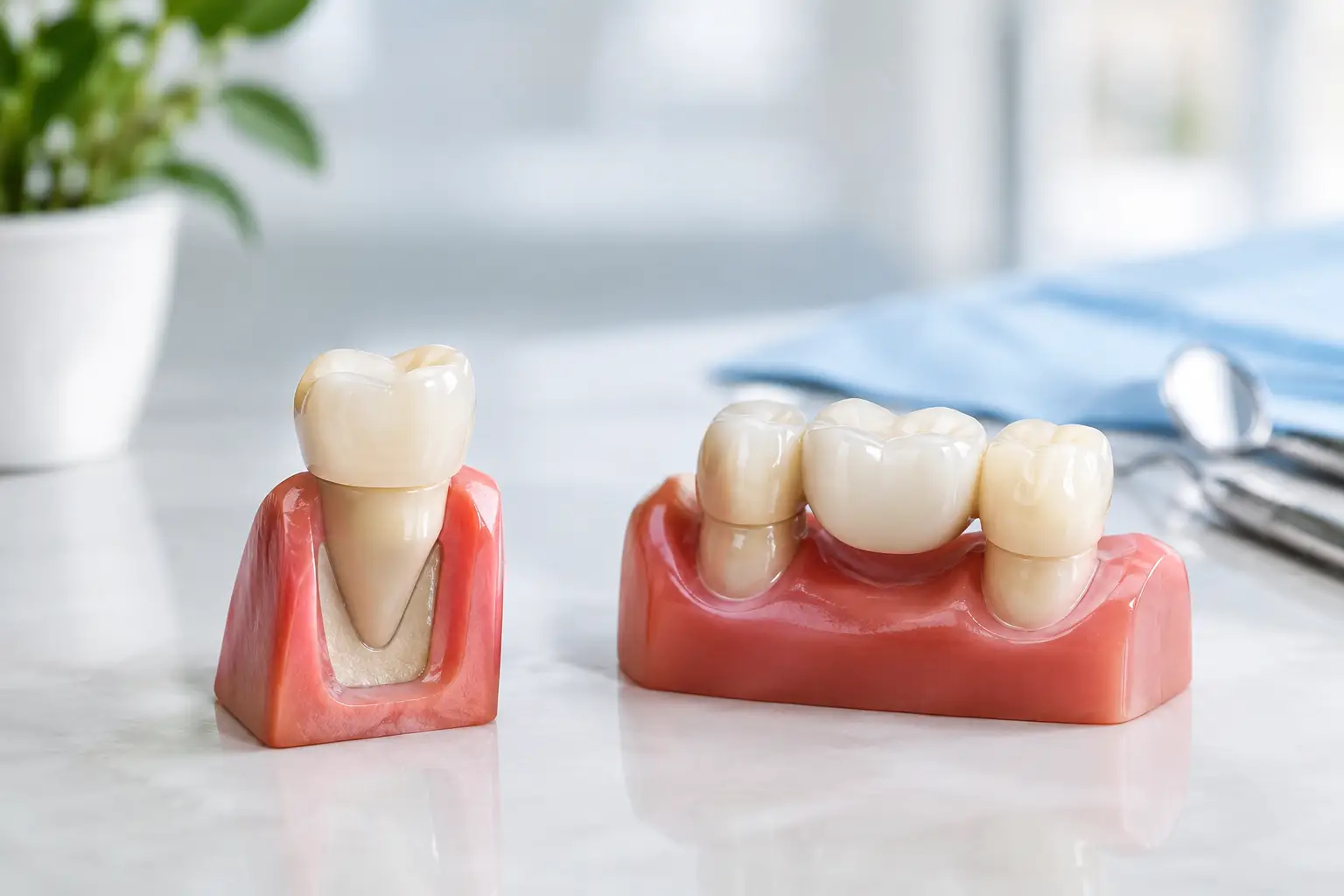
Both crowns and bridges are reliable restorative options, and both can be made to look natural alongside your existing teeth. The key difference is simple: a crown restores or protects one damaged tooth, while a bridge replaces one or more missing teeth by spanning the space between healthy support teeth or implants.
Dental Crown Versus Bridge: The Core Difference
A dental crown is a custom-made covering that fits over a tooth. It restores the tooth’s shape, strength, and appearance after significant damage or treatment. Think of it as a protective outer layer for a tooth that still has a healthy, usable root.
A dental bridge is a connected restoration used to replace a missing tooth or teeth. In a traditional bridge, the replacement tooth, called a pontic, is supported by crowns placed on the teeth beside the gap. An implant-supported bridge uses dental implants rather than neighboring natural teeth for support.
The distinction matters because the treatment goals are different. If your tooth is still present but weakened, a crown may preserve it. If the tooth is gone, a bridge may restore the space so surrounding teeth do not begin to shift.
When a Crown May Be the Right Choice
A crown is often recommended when a tooth has enough healthy structure and a stable root, but needs more protection than a filling can provide. This may happen after a large cavity, a fracture, extensive wear, or root canal treatment. A crown can also improve the appearance of a tooth with significant discoloration or an irregular shape, although cosmetic goals should always be discussed alongside the tooth’s health.
Before placing a crown, your dentist gently reshapes the tooth to create room for the restoration. An impression or digital scan is used to design a crown that fits comfortably with your bite and blends with your smile. A temporary crown may protect the tooth while the final restoration is being made.
Modern crowns are commonly crafted from tooth-colored ceramic or porcelain materials. The best material depends on the location of the tooth, the strength needed for your bite, the shade of nearby teeth, and your personal preferences. Back teeth often need greater chewing strength, while front teeth may call for especially careful attention to translucency and color.
A crown does not make a tooth invincible. The tooth underneath can still develop decay near the crown edge, and the gum tissue around it still needs regular care. With consistent brushing, flossing, professional cleanings, and a well-fitting bite, many crowns serve patients well for years.
When a Bridge May Be the Right Choice
A bridge can be a practical solution when one or more teeth are missing and the teeth on either side of the gap are healthy enough to support it. Replacing a missing tooth is about more than appearance. Over time, nearby teeth can drift toward the open space, opposing teeth may move out of position, and chewing can become less balanced.
With a traditional bridge, the neighboring teeth are prepared for crowns, and the replacement tooth is attached between them. The bridge is custom designed as one unit and cemented into place. It can restore a natural-looking smile and help distribute chewing forces more evenly.
An implant-supported bridge may be considered when several teeth are missing or when preserving neighboring natural teeth is a priority. Because implants replace tooth roots, they can provide independent support and help stimulate the jawbone. However, implant treatment requires adequate bone, good periodontal health, and a healing period. It is not the right timing or option for every patient.
A bridge can be especially appealing when you want a fixed restoration but do not want a removable partial denture. Still, it requires careful hygiene. Food and plaque can collect beneath the replacement tooth, so your dentist may recommend a floss threader, interdental brush, or water flosser to clean the area effectively.
How to Decide Between a Crown and a Bridge
The first question is whether the tooth can be saved. If a damaged tooth has a healthy root and enough remaining structure, preserving it with a crown is often the most conservative approach. Your dentist will evaluate the extent of decay or fracture, the condition of the root, the health of the gums and bone, and how the tooth functions in your bite.
If the tooth is missing or cannot be predictably restored, the conversation shifts toward replacement options. A bridge may be appropriate when adjacent teeth already need crowns, when you prefer not to pursue implant surgery, or when you need a dependable fixed option within a particular timeline.
Your overall oral health matters just as much as the restoration itself. Active gum disease, untreated decay, clenching or grinding, and an unstable bite can affect the success of either option. Addressing these concerns first can protect your investment and make your final result more comfortable.
A bridge is not always the automatic answer for a missing tooth
When a tooth is missing, many patients are surprised to learn that a bridge is only one of several possible paths. A single dental implant may replace one missing tooth without altering the adjacent teeth. A removable partial denture may be appropriate in some situations, particularly when multiple teeth are missing or when other treatment is not suitable.
There is no one-size-fits-all answer. The best recommendation reflects your dental health, treatment goals, budget, comfort level, and the amount of time you can devote to care. A thoughtful consultation should leave you clear about the benefits, limitations, and expected maintenance of each choice.
Cost, Timing, and Longevity Considerations
Cost varies because every restoration is customized. Factors can include the number of teeth involved, the materials selected, the need for root canal treatment or gum care beforehand, laboratory work, and whether implants are part of the plan. Dental insurance may contribute differently to crowns, bridges, and implant-related care, so reviewing your benefits before treatment can help you plan with fewer surprises.
In many cases, a crown can be completed in two visits, though the schedule depends on the specific treatment and materials used. A traditional bridge often follows a similar timeline. Implant-supported treatment generally takes longer because healing and integration with the bone are essential parts of the process.
Longevity is not just a matter of material quality. Daily habits have a meaningful effect. Grinding teeth, chewing ice, opening packages with teeth, smoking, and inconsistent home care can shorten the life of a crown or bridge. A night guard may be recommended for patients who clench or grind while sleeping.
What Treatment Feels Like
Dental treatment can feel intimidating, especially if you have had a rushed or uncomfortable experience in the past. Crown and bridge procedures are carefully planned to keep you comfortable. Local anesthetic is used before the tooth is prepared, and temporary restorations can protect the area between appointments.
It is normal to notice mild sensitivity after preparation or when a new restoration is first placed. Your bite may need a small adjustment as you get used to it. Persistent pain, pressure when biting, swelling, or a loose restoration should be evaluated promptly rather than ignored.
At Alliance Dental, the goal is not simply to place a restoration. It is to help you understand why a particular option is being recommended, what the process involves, and how to care for your smile afterward. Feeling informed can make a significant difference when treatment decisions feel personal or overwhelming.
Caring for Your Crown or Bridge
Crowns are cared for much like natural teeth: brush twice daily with fluoride toothpaste, clean between teeth every day, and keep regular dental visits. Pay close attention to the gumline where the crown meets the tooth.
For a bridge, cleaning beneath the replacement tooth is especially important. Your dental team can show you the technique and tools that work best for the design of your bridge. That small daily step helps protect the supporting teeth and gums that keep the bridge secure.
If you are weighing a dental crown versus bridge, give yourself permission to ask questions. A calm, personalized exam can turn a confusing choice into a clear plan for eating comfortably, protecting your oral health, and smiling with confidence again.